

Common early signs of UTI in cats include frequent litter box visits with minimal urine output, straining or vocalization while urinating, blood in urine, and excessive genital licking. Many owners miss these subtle behavioral shifts until symptoms become severe. AI-powered litter box monitoring detects frequency and posture changes 24–48 hours before visible clinical signs appear, enabling early vet intervention and preventing dangerous urinary blockages.
Check: Best Cat Urine Detector App
Why Do Cats Get Urinary Tract Infections?
Cats develop urinary tract infections from bacteria entering the bladder, often due to poor hydration, stress, or weakened immunity. Senior cats, females, and indoor cats face higher risks because of shorter urethras in females and limited activity leading to dehydration. Cats mask symptoms silently, progressing UTIs unnoticed in home environments.
| Risk Factor | Senior Female | Senior Male | Young Female | Young Male |
|---|---|---|---|---|
| Prevalence | High (shorter urethra) | High (blockage risk) | Moderate | Low |
| Dehydration Impact | Critical | Critical | Moderate | Low |
| Stress Sensitivity | High | High | Moderate | Low |
What Are the Most Common Cat UTI Symptoms Owners Miss?
The most missed symptoms are frequent litter box visits exceeding 3–5 times daily, up to 8+ times with small urine clumps. Straining without output and excessive licking follow. SiiPet's LitterLens uses AI vision to track frequency spikes and analyze urine via image recognition automatically.
How Can Multi-Cat Households Identify Which Cat Has the UTI?
In multi-cat homes, shared litter boxes hide individual issues as cats mask pain. LitterLens employs multi-cat recognition to identify each cat and maintain separate health logs, sending cat-specific alerts for frequency or posture changes, ensuring precise tracking without manual guesswork.
"It tracks her bathroom habits and gives me precise data for my vet." – Kendra (cat: Priscilla)
What Are the Dangerous Complications If UTI Goes Undetected?
Undetected UTIs lead to urinary blockages in 24–48 hours, which are life-threatening, especially in males. Chronic cases cause kidney damage and house soiling. Early AI alerts prevent emergency costs averaging thousands versus proactive monitoring.
How Does AI Litter Box Monitoring Detect UTI Early?
AI like LitterLens analyzes urine color for blood, stool shape for digestive links, and tracks visit frequency/posture 24/7. It flags abnormalities 24–48 hours before symptoms show, with app alerts including timestamped photos for instant review.
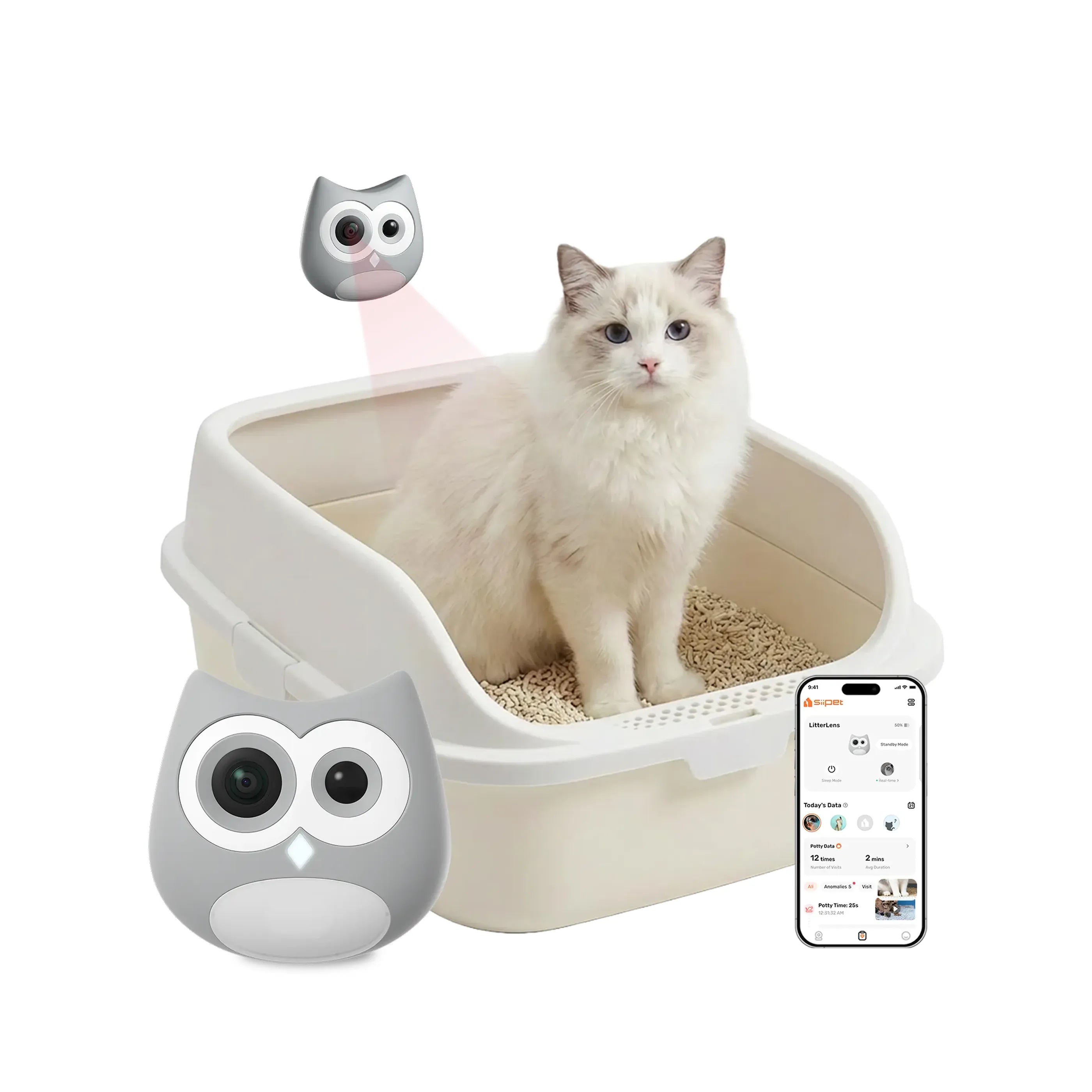
| Aspect | Manual Observation | AI-Powered Monitoring (LitterLens) |
|---|---|---|
| Detection Speed | Days (intermittent checks) | 24–48 hours pre-symptoms |
| Accuracy | Low (human error) | High (image recognition) |
| Multi-Cat Support | Poor | Individual profiles |
| 24/7 Coverage | No | Yes |
| Vet Sharability | Notes only | 12-month timelines + photos |
What Should You Do If You Suspect Your Cat Has a UTI?
Contact a vet immediately, note frequency, straining, and urine details. Share SiiPet Care+ app health timelines up to 12 months. Vets use urinalysis for confirmation; antibiotics treat most cases within days, with monitoring for recovery.
Check: SiiPet Official AI Pet Care
How Can You Prevent UTIs in Your Cat Long-Term?
Promote hydration with wet food fountains, maintain clean accessible litter boxes (one per cat plus one), reduce stress via enrichment, and schedule vet check-ups. Continuous AI monitoring like LitterLens spots seasonal patterns over 12 months for proactive care.
What Makes AI Monitoring Different From Manual Observation?
AI provides 24/7 consistency without fatigue, detects subtle frequency/posture shifts via infrared and vision tech, scales to multi-cat homes with individual logs, and delivers shareable vet reports. SiiPet's no-subscription core features ensure cost-effective early detection.
SiiPet Expert Views
"LitterLens gives pet owners data-driven insights into urinary health, detecting frequency changes and potential blood 24–48 hours early. As a veterinary physiotherapist, I endorse its role in preventing blockages through multi-cat tracking and 12-month histories." – Dr. Megan Taylor
"The AI's 95% abnormal detection accuracy, combined with low false positives from pet recognition, transforms guesswork into actionable alerts." – Dr. Karyn Kanowski
Conclusion
Subtle cat UTI signs like frequent visits and straining evade owners until crises hit. SiiPet LitterLens bridges this with AI detecting issues 24–48 hours early via frequency tracking and image analysis. Join 100+ owners (4.93 stars) with vet endorsements—start your 30-day risk-free trial at siipet.com for peace of mind and 1-year replacement guarantee.
FAQs
Can a UTI in cats go away on its own?
UTIs rarely resolve without treatment, risking blockages or kidney damage. Early AI monitoring flags issues in 24–48 hours for prompt vet care, as endorsed by experts.
How often should I check my cat's litter box for UTI signs?
Daily manual checks miss subtleties; AI like LitterLens tracks every visit 24/7, alerting on deviations from baselines automatically.
Does my male cat need different UTI monitoring than my female cat?
Males risk blockages more; females infections. LitterLens provides tailored profiles via multi-cat recognition for both.
What if my cat has a history of recurring UTIs?
12-month timelines reveal patterns; cases like Mark's cat Chili show early alerts preventing repeats through vet-shared data.
Is AI monitoring a replacement for vet visits?
No, it enhances care by documenting trends for faster diagnosis, as four vets endorse, not replacing professional advice.


Leave a comment
This site is protected by hCaptcha and the hCaptcha Privacy Policy and Terms of Service apply.