


Summer is here, but rising temperatures bring hidden dangers that many owners overlook—from rapid food spoilage to life-threatening dehydration and urinary issues. While you’re enjoying the sunshine, your cat could be silently suffering.
Here is your ultimate Cat Summer Health Guide to keep them safe, comfortable, and thriving all season long. 👇
1. Cooling Down
Cats don’t sweat like humans. They release heat through their paw pads and by grooming, which means they overheat faster than you’d expect. Heatstroke can set in within minutes.
What to do:
-
Keep your AC at 79–82°F (26–28°C). Avoid blowing cold air directly at them—drafts cause stress and respiratory issues.
-
Set up cooling mats or place frozen water bottles wrapped in towels near their resting spots.
-
Never leave your cat on a sunny balcony or in a parked car, even with windows cracked.
🚨 Emergency signs:
Rapid breathing, excessive drooling, lethargy, or vomiting. If you see these, move your cat to a cool area, apply cool (not cold) water to their paws and ears, and see a vet immediately.
2. Environment
Heat accelerates bacterial growth everywhere—including your cat’s litter box. A dirty box in summer isn’t just smelly; it’s a health hazard.
What to do:
-
Scoop multiple times a day. In summer, aim for 3–4 times instead of once daily. Bacteria like E. coli and Salmonella double every 20 minutes in warm, moist litter.
-
Sanitize the box regularly. Use a pet-safe disinfectant or a diluted bleach solution (rinse thoroughly). At least once a week.
-
Change litter fully weekly (or more often if you have multiple cats). Clumping litter breaks down faster in heat, losing odor control and increasing ammonia fumes, irritating to both cats and humans.
-
Adjust frequency based on cat count and litter type. For 2+ cats, consider changing litter every 4–5 days in summer.
3. Diet & Hydration (Most Critical)
Summer heat turns your cat’s food bowl into a breeding ground for bacteria. Wet food left out for more than 30–60 minutes can spoil, triggering acute gastroenteritis—leading to severe diarrhea, vomiting, and dehydration. Dry food isn’t immune either; heat accelerates rancidity.
The hidden crisis:
Cats naturally have a low thirst drive. In summer, dehydration happens fast. Low water intake leads directly to urinary blockages, cystitis, and kidney damage—conditions that spike by nearly 40% during hot months, according to veterinary reports.
What to do:
-
Switch to smaller, scheduled meals and remove uneaten wet food within 30 minutes.
-
Place multiple fresh water bowls around the house—cats prefer drinking away from their food.
-
Prepare plain chicken breast broth (no salt, no onions/garlic) to boost hydration.
-
Consider adding wet food or water fountains to encourage drinking.
💡 Your 24/7 Early Warning System

Here’s where most owners fail: You can’t watch your cat 24/7. By the time you notice something wrong—diarrhea, straining to pee, or not using the litter box at all—the problem may have been brewing for hours or days.
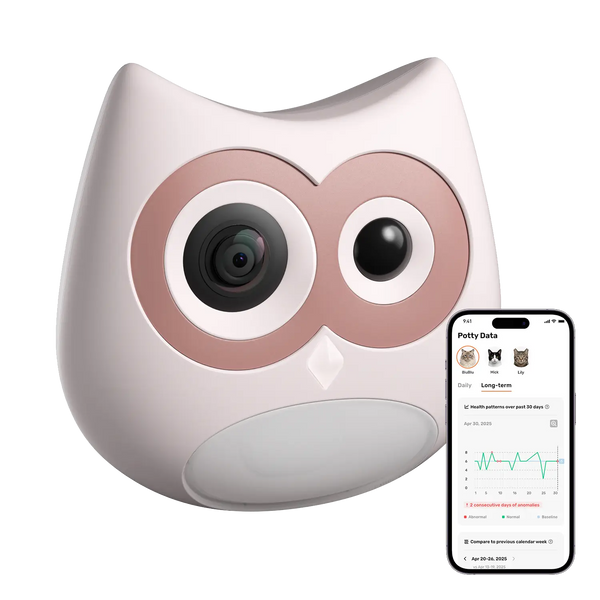
LitterLens by SiiPet is a smart AI camera that mounts on any litter box. It monitors every visit in real time and catches critical red flags instantly:
-
Diarrhea alerts – Loose stool shows up clearly on camera. Get notified before dehydration sets in.
-
Frequent, strained bathroom visits – Short, repeated trips to the box are classic signs of urinary crystals or infection.
-
No visit timeouts – If your cat hasn’t used the box in 24 hours, LitterLens sends an instant alert. For male cats, urinary blockage can become fatal in under 48 hours.
Real summer scenario: A cat on dry food in an air-conditioned home still dehydrates faster. By day two, crystals form. By day three, a full blockage. With LitterLens, you’d get an alert at the first skipped day—giving you time to increase fluids or see a vet before emergency surgery.
Veterinary data shows most of litter box issues stem from undetected UTIs. Summer heat doubles the risk. LitterLens turns your cat’s bathroom into a health dashboard—no guesswork, no late nights wondering “is she okay?"

4. Grooming
Fur management in summer is about balance. Many owners think shaving their cat helps, but it often backfires.
What to do:
-
Brush your cat daily to remove loose undercoat. This improves airflow to the skin and reduces hairballs.
-
Avoid shaving them completely. A cat’s coat insulates against both cold and heat. Shaving removes sun protection and can lead to sunburn, skin cancer, and overheating (the coat helps regulate temperature).
-
Don’t over-bathe them. Bathing strips natural oils. Only bathe if medically necessary or if your cat gets into something toxic.
Pro tip:
Pay extra attention to matted fur—mats trap heat and moisture, causing skin infections. A de-shedding tool works wonders in summer.
Why Summer Makes Litter Box Monitoring Essential?
Summer isn’t just uncomfortable for cats—it’s a perfect storm of urinary and digestive risks. Dehydration concentrates urine, leading to crystals. Spoiled food causes diarrhea that dehydrates further. And because cats hide illness instinctively, owners often don’t realize something’s wrong until the cat stops eating or starts crying in the litter box.
LitterLens vs. basic self-cleaning boxes:
-
Self-cleaning boxes manage odor but tell you nothing about what your cat is doing.
-
LitterLens tracks visit duration, frequency, posture, and output—sending alerts for deviations like “8th diarrhea visit in 1 day.”
Compatibility: Works with any litter type (clay, crystal, pine, tofu) and any box shape. Multi-cat homes? LitterLens uses AI to identify individual cats by size, coat pattern, and behavior—no expensive tags needed.
Quick Summer Checklist for Cat Owners ✅
| Category | Action Item | Frequency |
| Cooling | AC at 79-82°F, cooling mats | Daily |
| Hydration | 3+ water stations + broth | Daily |
| Feeding | Remove wet food after 30 min | Each meal |
| Grooming | Brush out undercoat | Daily |
| Litter | Scoop, check for abnormalities | 3-4/day |
| Monitoring | LitterLens alerts on phone | 24/7 |
Final Word: Don’t Wait for Symptoms
Cats are masters of disguise. By the time your cat shows visible signs of heat stress, dehydration, or urinary pain, the condition has often progressed to an emergency.
Your three-step summer action plan:
-
Adjust your routine – Follow the 4 tips above. Switch to scheduled wet food meals. Add broth. Brush daily.
-
Install LitterLens – Get 24/7 AI monitoring that catches diarrhea, straining, and skipped visits the moment they happen.
-
Act on alerts – When LitterLens notifies you, you’ll have video proof to show your vet—saving time, money, and your cat’s life.
🐾 Ready to protect your cat this summer?
Click to learn how our smart litter box camera turns bathroom trips into life-saving health data. Free shipping + 30-day trial.
Have a summer cat tip of your own? Drop it in the comments. And remember—when in doubt, cool them down and call your vet.


