


The best relief for cat diarrhea is to keep fresh water available, keep feeding your usual food in small meals unless your vet says otherwise, and watch closely. Do not give human medicine or any drug without vet advice. Call your vet if diarrhea lasts more than 24 to 48 hours, or comes with vomiting, lethargy, blood or black, tarry stool. Kittens, senior cats and cats that stop drinking or eating need to be seen sooner.
What Causes Cat Diarrhea?
Cat diarrhea can result from dietary changes, infections, parasites or stress, which disrupt the gut and speed up the movement of food through it. For lasting relief it helps to find the trigger, such as a food intolerance or a sudden change in diet. Only a vet can say which cause applies, and the cause decides the treatment.
Common causes include:
-
Sudden food changes that upset the gut.
-
Parasites like worms, which are found through a fecal test.
-
Stress, such as a new pet or a move.
-
Infections and inflammatory bowel disease, which a vet has to diagnose.
A litter box camera cannot find the cause. It can show when the loose stools started and how often they happen. See how in the section on tracking below.
How to Provide Fast Relief at Home?
For an otherwise healthy adult cat with mild diarrhea who is still eating, drinking and acting normally, the safest first steps are simple. Always give easy access to fresh water, since a cat with diarrhea can dehydrate quickly. Keep meals small and regular. Avoid fatty foods, dairy and new treats. Do not withhold food on your own: cats that stop eating can develop liver problems, so if your vet wants a short food break, follow their exact instructions. The VCA guide to diarrhea in cats explains why vets sometimes advise a short break or a veterinary gastrointestinal diet.
Here's how to manage it:
-
Water: Keep fresh bowls in easy reach, and offer wet food to add moisture.
-
Steady diet: Stay with the food your cat already eats, or the one your vet recommends.
-
Rest and calm: Reduce stress and keep the litter box clean so you can see each stool.
Once stools firm up, move back to the regular diet gradually over several days if you changed anything.
| Approach | Who It Suits | Notes |
|---|---|---|
| Fresh water and wet food | Any cat with mild diarrhea | Helps replace lost fluid |
| Vet-advised bland or GI diet | Adult cats, on vet advice | Ask your vet what to feed and for how long |
| Plain canned pumpkin | Some cats, if your vet agrees | Plain only, never pie filling; ask your vet how much |
What Home Remedies Work Best?
Few home remedies have strong evidence in cats. Some vets suggest a little plain canned pumpkin as a source of soluble fiber, and some recommend a probiotic made for cats. Check with your vet before you offer either, because the quality and effect of probiotic products varies. Avoid human anti-diarrheal drugs and supplements, and do not use herbal products unless your vet approves them, since some are unsafe for cats.
Points to remember:
-
Probiotics: Ask your vet which cat-specific product to use.
-
Fiber: Too much can cause constipation, so add nothing without advice.
-
Hydration: Wet food and clean water help most.
When Should You See a Vet?
If diarrhea lasts more than 24 to 48 hours, if there is blood or mucus in the stool, or if your cat is vomiting or lethargic, call your vet. Kittens, senior cats and any cat showing signs of dehydration need prompt care, because diarrhea can become serious quickly. The guide to cat upset stomach and gastroenteritis covers cats that also vomit.
Warning signs include:
-
Black or tarry stools, which may indicate bleeding in the digestive tract.
-
Repeated watery episodes through a day.
-
Weight loss, refusing food or hiding.
A vet may ask for a fecal sample to look for parasites or infection. See our guide to sharing pet health data with your vet for what to bring.
How to Track Diarrhea Effectively?
Tracking stool consistency, frequency and color shows how severe the diarrhea is and whether it is improving. Use a daily log or an app to note patterns, including diet changes and stressors. Review the log every few days to spot trends or triggers. A stool score chart helps: see our cat fecal score chart.
Here's an example of what to track:
| Metric | Scale/Notes | Frequency |
|---|---|---|
| Consistency | Use a stool chart (watery to hard) | Per stool |
| Color | Normal brown, black, red, green? | Daily |
| Frequency | Number of episodes/day | Total/day |
| Triggers | Food, stress, new changes | Event-based |
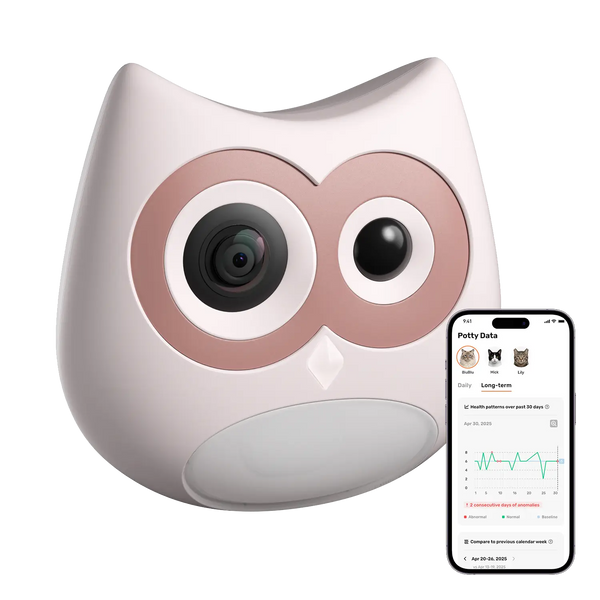
If you would rather not log this by hand, LitterLens records stool shape (hard, soft or watery) and colour, plus visit count and duration for each cat, so you can see how the last few days compared with your cat's baseline. Abnormal stool alerts need a Care+ plan. In a multi-cat home it can also help show which cat has the loose stool (recognition is roughly 80% or better and drops above 5 cats). It records only what happens in the box, and it does not diagnose. Your vet does that.
What Diet Changes Help Long-Term?
If diarrhea keeps coming back, ask your vet about a diet trial, such as a hypoallergenic or novel-protein food, or a veterinary gastrointestinal diet. Introduce any new food gradually over about a week. Chronic loose stool is a reason for an exam, since conditions like inflammatory bowel disease can look like a food problem.
Diet basics:
-
Gradual changes: Mix the new food into the old over several days.
-
Consistency: Keep treats and table scraps minimal.
-
Small, regular meals: Easier on a sensitive gut.
Could Probiotics Speed Recovery?
Maybe. Probiotics made for cats may help some cats with diarrhea, but the evidence varies from product to product, and vets do not agree on which strains work best. Ask your vet before you give one, and do not use a product made for people. Probiotics do not replace a vet visit when diarrhea lasts more than 24 to 48 hours or comes with other signs of illness.
Key Takeaways
For mild diarrhea, keep water available, keep the diet steady, avoid fatty foods and dairy, and track each stool. Do not fast your cat or give medicine on your own. See a vet if it lasts more than 24 to 48 hours or comes with vomiting, lethargy, blood or black stool. A camera from the cat health monitoring collection can log each litter box visit, but it cannot replace the vet.
FAQs About Cat Diarrhea Relief
How long does cat diarrhea last with home care?
Mild cases often settle within a day or two. If it lasts more than 24 to 48 hours, or your cat seems unwell, call your vet.
Is pumpkin safe for cats with diarrhea?
Sometimes. Plain canned pumpkin (never pie filling) is a common suggestion, but ask your vet whether it suits your cat and how much to give.
Can stress cause diarrhea in cats?
Yes, changes at home can upset digestion. A stable routine and a clean, quiet litter box can help.
What if my kitten has diarrhea?
Call a vet the same day. Kittens can dehydrate quickly and should not be fasted.
Does wet food help cat diarrhea?
Yes, it adds water, which helps replace fluid lost with loose stool. Ask your vet whether to use a special diet.


