

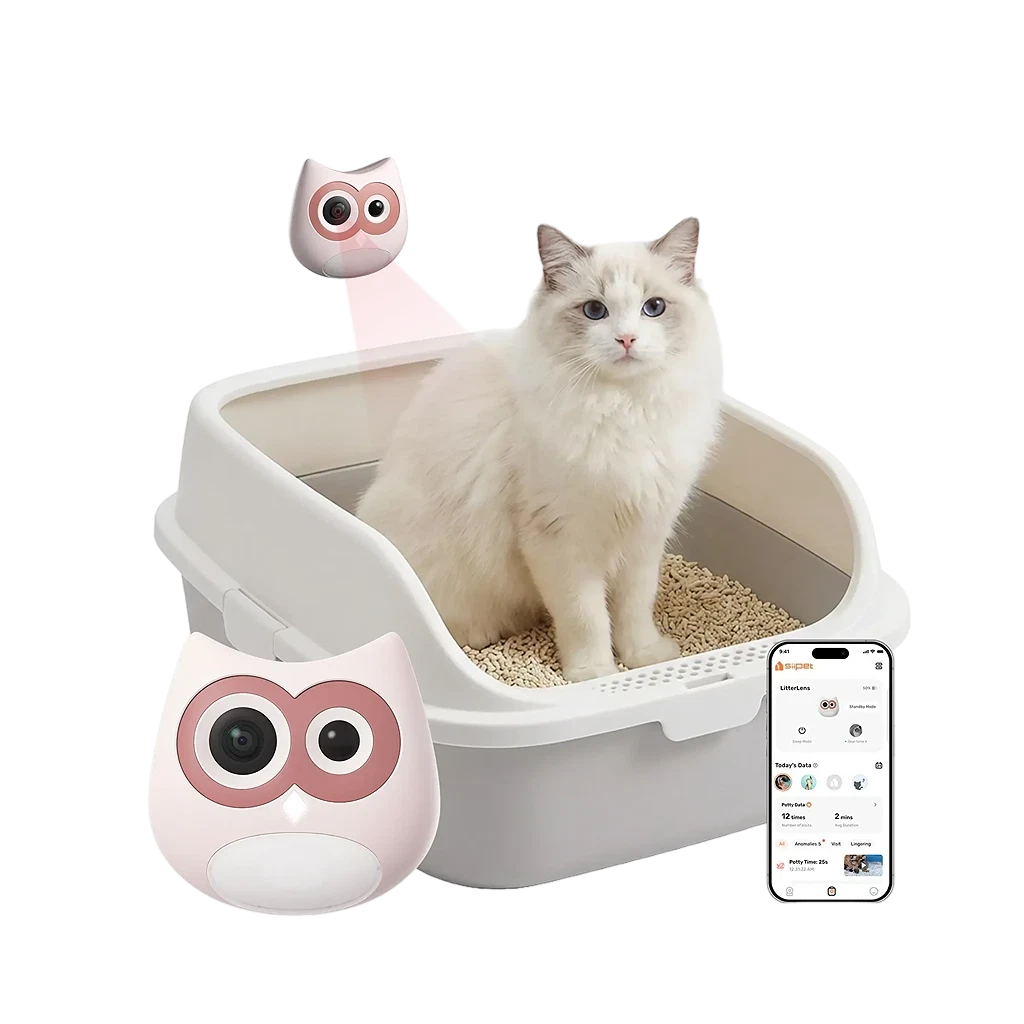
5 Steps to Safely Dispose of Cat Litter: 1) Scoop daily into sealed bags. 2) Check local rules—never flush clumping litter. 3) Use trash for non-biodegradable or compost biodegradable types. 4) Seal tightly to block odors. 5) In multi-cat homes, a litter box camera like LitterLens can log each cat's visits and stool so you notice changes early.
Check: Cat Bathroom Frequency Guide
What Are the Main Methods for Cat Litter Disposal?
Traditional bagging and trash disposal work best for clumping litter, sealing odors effectively though it ends up in landfills. Non-clumping clay or crystal litters need double-bagging to prevent leaks. Daily scooping stops bacterial buildup and cuts overall waste volume significantly.
How Do You Dispose of Clumping Cat Litter Properly?
Scoop clumps into grocery bags, tie securely, and place in outdoor trash—never toilets due to plumbing clogs. Regional bans often prohibit flushing any litter, ensuring landfill safety. Clumping types allow less frequent full changes.
What Are the Best Eco-Friendly Cat Litter Disposal Options?
Plant-based litters like corn, wood, or wheat offer top eco-options as they biodegrade, unlike clay. Compost biodegradables in pet-safe piles or municipal green waste, avoiding veggies due to pathogens. Backyard composting suits hot piles for wood pellets.
| Litter Type | Biodegradable? | Compostable? | Best Disposal | Waste Reduction Tip |
|---|---|---|---|---|
| Clumping Clay | No | No | Sealed trash | Scoop daily |
| Corn/Wheat | Yes | Partial (pet-safe only) | Compost or green waste | Biodegrades faster |
| Wood Pellets | Yes | Yes (hot compost) | Backyard/municipal | Scoop daily and follow the brand's change schedule |
Which Local Regulations Affect Cat Litter Waste Management?
Check municipal sites for "cat litter disposal near me"—some areas deem it hazardous waste. Apartments and HOAs enforce odor and bulk rules; biodegradables cut fine risks. Flushing faces U.S. and global bans harming septics.
How Can Health Monitoring Help at Home?
SiiPet's LitterLens is a litter box camera that tracks stool shape and color and visit frequency with multi-cat recognition. It does not reduce how much litter you use, but it can help you notice changes early. Abnormal alerts and 12 months of records need Care+.
Why Is Cat Litter Disposal Harder in Multi-Cat Homes?
Overlapping waste boosts volume, odors, and change guesswork. SiiPet LitterLens uses AI to fingerprint cats individually, delivering per-cat data. Pair with PawTrack camera for full behavior insights.
What Sustainable Cat Litter Disposal Methods Work Long-Term?
Switch to compostable litters for a smaller footprint. App stool analysis builds data-driven habits, and SiiPet's free tier includes live view, recording and visit data.
Check: Professional Feline Security Cameras
Conclusion
Safe cat litter disposal hinges on daily scoops, sealed bags, and eco-litters, and SiiPet's LitterLens adds health monitoring, logging visits and stool for each cat. Multi-cat owners gain individual logs. Contact service@siipet.com for details.
FAQs
Is cat litter biodegradable?
Only plant-based types like corn or wood; clay isn't. Compost biodegradables in pet-safe piles, trash others securely.
Can you flush cat litter?
Rarely—clumping expands and clogs pipes. Check septic rules, always prefer sealed bagging for safety.
Does AI monitoring cut litter waste?
No. LitterLens analyzes visits and stool for healthy baselines, but it does not change how much litter you use.
What's the best eco-friendly disposal for apartments?
Sealed bags in trash, or biodegradable litters where local rules allow.
Does LitterLens work for multiple cats?
Yes, multi-cat recognition tracks each cat separately, with stool images and individual timelines; alerts need Care+.


