

Signs of dehydration in cats include lethargy, sunken eyes, skin tenting (lifted skin that stays up instead of snapping back), dry or tacky gums, and less drinking. In the litter box, look for fewer or smaller urine clumps and hard, dry stool. A litter box camera cannot detect dehydration, but LitterLens can show fewer visits and hard stool shapes, which are reasons to run the checks below and call your vet.
See also: Vet guide to cat bathroom health
What Are the Subtle Signs of Dehydration in Cats Owners Miss?
Subtle signs include tacky gums, loss of skin elasticity, less interest in food and water, fewer trips to the litter box and dry, hard stool. These are easy to miss in a busy household, and they can appear before a cat becomes visibly lethargic.
Some can be checked in a minute. Gums should look moist and slippery. Gently lift the skin over the shoulders, and it should snap back at once. If it returns slowly, or the gums feel dry or sticky, call your vet the same day, because dehydration in cats can turn serious quickly. Senior cats and cats with kidney disease are at higher risk, and the Cornell guide to chronic kidney disease in cats explains why.
How Does Dehydration Show Up in a Cat's Litter Box Habits?
In the litter box, dehydration can show up as fewer urine clumps, smaller or darker clumps and hard, dry stool. You are the best judge of clump size, because you see it when you scoop. LitterLens does not measure clump size or urine concentration.
What LitterLens does record is the number and length of each cat's visits, the shape of stool (hard, soft or watery) and urine clump events. A drop in visits or a run of hard stool entries can support what you see when scooping. It does not tell you why, and constipation, pain or a dirty box can cause the same signs.
| Method | What It Shows | Pros | Cons |
|---|---|---|---|
| Skin tent and gum check | Signs of dehydration on the cat itself | Quick home check | Subjective, and it only covers the moment you check |
| Scooping check | Clump count, size and stool dryness | Free, and you see clump size | Easy to skip, and hard with several cats |
| SiiPet LitterLens | Visit count and duration, stool shape and color, urine clump events per cat | Continuous record, multi-cat recognition | Does not detect dehydration or measure clump size; needs setup; informational only |
Cats with kidney disease are prone to dehydration and often drink and urinate more than normal. More frequent visits can be one clue, and your vet can run the tests. You can read our overview of how to monitor cat kidney health for the wider picture.
Why Is Litter Box Monitoring Useful for Catching Changes Early?
Monitoring records your cat's normal pattern, so a change stands out. LitterLens builds a baseline for each cat over about seven days, stabilizes around 30 days and flags deviations from that cat's own routine. A sudden drop in visits is easy to see on a timeline, even if you were not home.
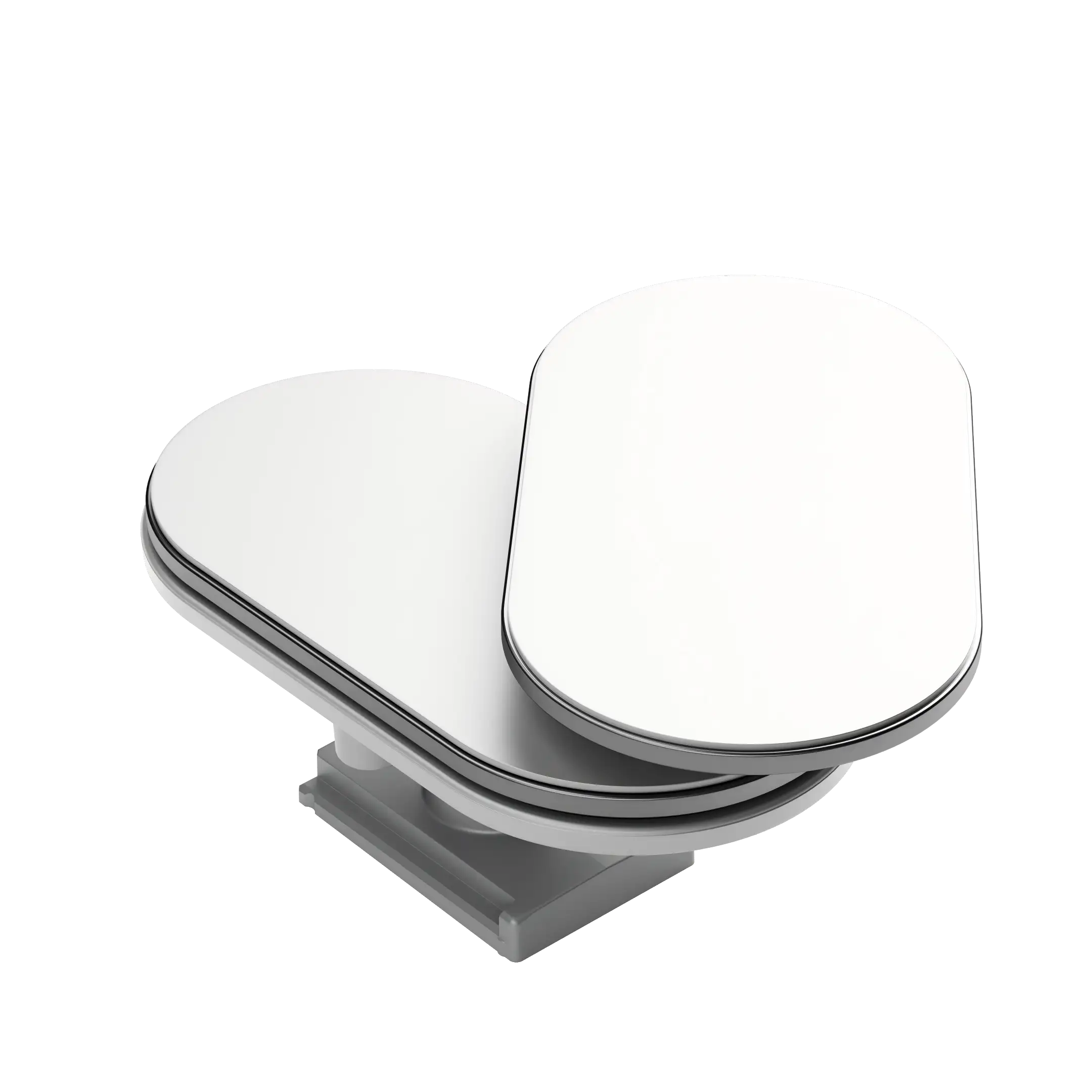
SiiPet LitterLens attaches to a flat surface of a litter box larger than L size, has a battery that lasts about one month in typical use and captures night visits with a white fill light. In multi-cat homes, recognition is about 80% or better, and it drops above five cats. It is not recommended for automatic litter boxes.
How Can You Check If Your Cat Is Drinking Enough Water at Home?
Check gum moisture, do the skin pinch test, and watch the water bowl level. Note how much your cat drinks each day. These checks are quick, but they miss subtle drops in intake.
LitterLens adds a record of visit trends and stool shape, and the free tier includes visit counts and durations. Abnormal stool and data alerts need Care+. Show the history to your vet if you see a change. The guide to monitoring cat dehydration goes deeper on hydration checks.
What Causes Dehydration in Cats and How to Prevent It?
Causes include illness, heat, a dry-food-only diet and age. Vomiting, diarrhea and not eating all raise the risk. Untreated, dehydration can contribute to emergencies such as urinary obstructions.
To help prevent it, offer wet food, place several water bowls around the house and try a fountain if your cat likes running water. Ask your vet before adding supplements, and read whether cat water additives help. Then use the camera history to see whether visits and stool change after a diet or water change.
How Does SiiPet LitterLens Fit Into Hydration Monitoring?
LitterLens does not measure hydration. It analyzes stool images for shape (hard pellets to watery) and color, counts visits, times each one and logs urine clump events, and builds a history you can show your vet. Care+ keeps abnormal records and analysis for 12 months.
Use it as one input next to your own checks. If your cat is drinking less, seems tired or has dry gums, call your vet instead of waiting for an alert.
Is SiiPet LitterLens Worth It for Multi-Cat or Senior Homes?
It can be, for homes where changes are hard to see. Multi-cat recognition keeps a separate log for each cat, and older cats benefit from a record of gradual change. Recognition drops above five cats, and the camera cannot tell similar cats apart with certainty.
The cat health monitoring collection lists LitterLens and bundles. Read the limits above before you buy, since it will not detect dehydration.
Conclusion: Check Early, Record Changes, Call Your Vet
Do not wait for visible signs of dehydration in cats. Check gums, skin and clumps as part of your routine, and use a litter box camera to keep a record of visits and stool. Call your vet if you see signs of dehydration, no urine in 24 hours or a cat that strains and passes nothing, which is an emergency right now.
FAQs About Cat Dehydration and Litter Box Monitoring
What is the best way to check cat hydration at home?
Check gum moisture, do the skin tent test, and watch water intake and clump size. LitterLens can add a record of visit and stool trends.
Can LitterLens detect dehydration in multi-cat homes?
No. It cannot detect dehydration in any home. In multi-cat homes it keeps separate logs of visits and stool for each cat, which can show a cat that visits less than usual.
How accurate is SiiPet's AI for health alerts?
Cat recognition is about 80% or better and drops above five cats. Stool analysis is image-based and informational only. Abnormal stool and data alerts need Care+.
Does LitterLens work with my litter box?
It needs a flat mounting surface and a box larger than L size (over 50 x 38 cm). It comes with adhesive mounting, and the accessory collection has clip and gooseneck options. It is not recommended for automatic litter boxes.
Is the SiiPet app free?
Partly. The free tier includes live view, recording, visit count and duration data, 72 hours of local storage and low-battery alerts. Abnormal stool and data alerts, and analysis, need the optional Care+ subscription.


