

How to tell if cat has UTI? Start with the litter box: the common early signs of UTI in cats are frequent visits with little urine, straining or crying while peeing, blood in the urine, and excessive genital licking. Many owners miss these subtle shifts until symptoms become severe.
Only a vet can confirm a UTI with a urine test, so call the same day if you see these signs. A cat with no urine for 24 hours needs a vet, and a male cat straining with little or no urine is an emergency now.
Why Do Cats Get Urinary Tract Infections?
Cats develop urinary tract infections from bacteria entering the bladder, often linked to poor hydration, stress, or a weakened immune system. Female cats have a shorter urethra, and indoor cats can drink less, which raises their risk. Cats also hide symptoms, so a UTI can progress unnoticed in a busy home.
Many cats with these signs do not have a bacterial infection at all. Crystals, stones, and stress-related bladder inflammation cause the same behavior, and Cornell's Feline Health Center groups them together as lower urinary tract disease.
| Cat | Main urinary concern | What to do |
|---|---|---|
| Senior female | Bacterial infection, often alongside kidney disease or diabetes | Book a vet visit at the first change |
| Senior male | Blockage risk as well as infection | Treat straining with little urine as an emergency |
| Young female | Stress-related bladder inflammation is more common than infection | Call your vet if signs last more than a day |
| Young male | Crystals and blockage | Treat straining with little urine as an emergency |
How Can You Tell If Your Cat Has a UTI?
Run through this check when your cat's bathroom habits look different:
- Count the trips: Most adult cats pee two to four times a day. Noticeably more trips, especially with small clumps, is the sign owners miss most often.
- Check the clumps: Small clumps, dark or pink-tinged urine, or no clump after a long visit all count.
- Watch the posture: Straining, crying, or staying hunched in the box for a long time points to pain.
- Look at the rest of the cat: Excessive licking of the genital area, hiding, vomiting, or a poor appetite make it more urgent.
- Call your vet: Tell them when it started and what you counted.
The most missed symptoms are the quiet ones: extra visits and small clumps. Straining without output and excessive licking usually follow.
What About Kittens?
Signs of UTI in kittens look the same: frequent small pees, crying, or licking the genital area. Bacterial infections are less common in kittens, but young cats dehydrate quickly, so call your vet promptly if a kitten strains, cries, or is not peeing.
How Can Multi-Cat Households Identify Which Cat Has the UTI?
In multi-cat homes, shared litter boxes hide individual issues as cats mask pain. LitterLens uses multi-cat recognition to identify each cat and keep separate visit logs, at roughly 80% accuracy or better, dropping above five cats. Cat-specific alerts for changes need Care+. If you have more than one cat, the multi-cat monitoring collection lists the bundles.
What Are the Complications If a UTI Goes Undetected?
Untreated infections can spread up to the kidneys and cause more pain and damage. The bigger danger is that the same signs can mean a urinary blockage, which can become life-threatening within a day or two, especially in male cats. Chronic cases also lead to house soiling. For the emergency side, read about what to do when a cat can't pee or poop.
How Can Litter Box Monitoring Help You Catch Changes Earlier?
A litter box camera can show a change sooner than memory can. LitterLens records visit count, visit length, and urine clump events for each cat, builds a baseline over about seven days, and flags deviations from it. Alerts on abnormal data need a Care+ subscription. It also analyzes stool shape and color, which helps with digestive changes, but it does not detect UTIs and cannot see straining or pain. The cat health monitoring collection lists the current options.
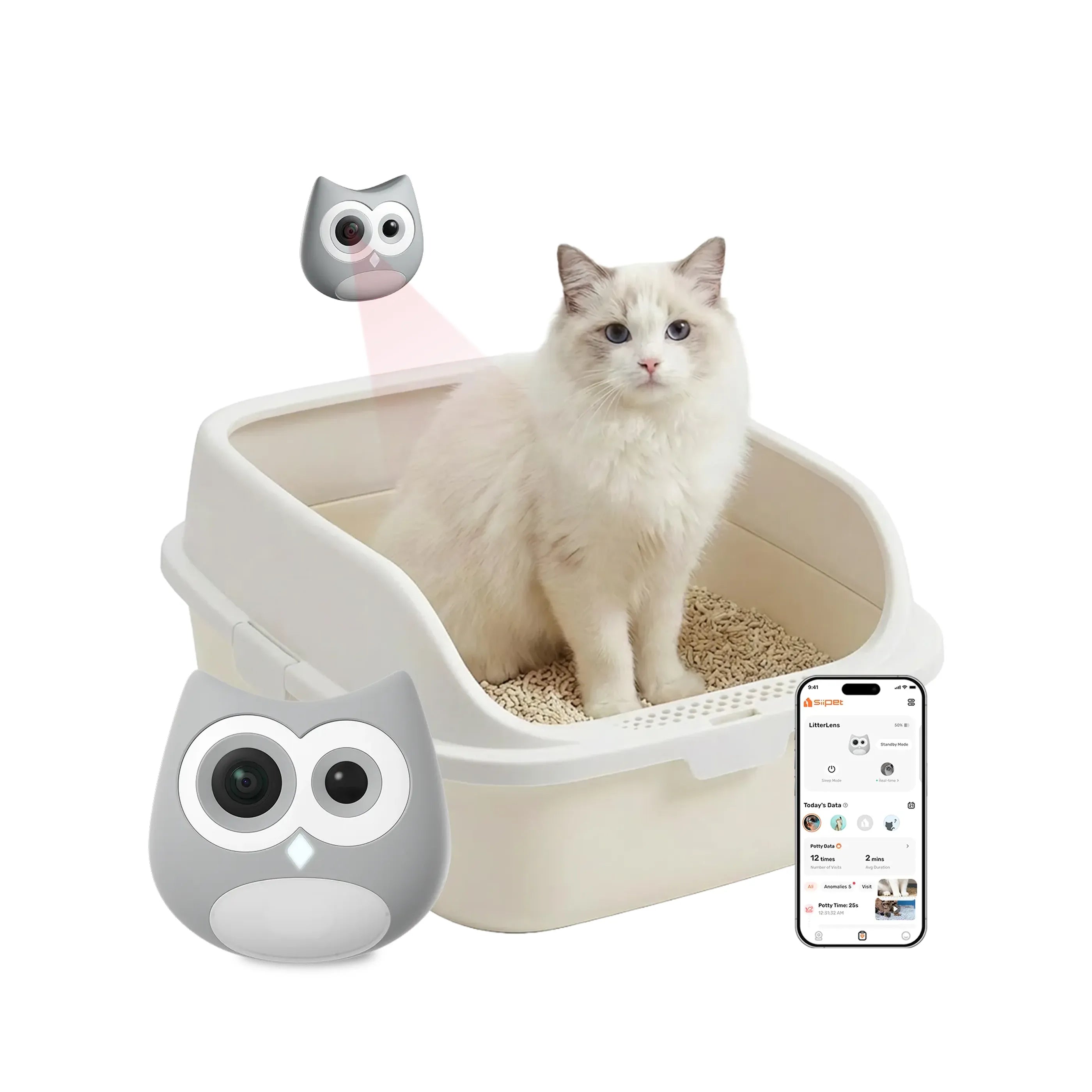
| Aspect | Manual observation | With LitterLens |
|---|---|---|
| Visit count | Only when you are home | Logged per cat with timestamps |
| Visit length | Rarely noticed | Logged and compared with the cat's baseline |
| Multi-cat support | Poor | Individual logs |
| Vet sharing | Notes only | Visit history you can show your vet |
| Diagnosis | No | No; a vet confirms with a urine test |
What Should You Do If You Suspect Your Cat Has a UTI?
Contact a vet, and note frequency, straining, and urine details. Use these limits:
- Signs that last more than a day: call your vet.
- No urine for 24 hours: call your vet or an emergency clinic.
- Male cat straining with little or no urine: emergency, go now.
Vets use urinalysis for confirmation. If a bacterial infection is found, your vet may prescribe antibiotics, and you should follow their instructions and recheck plan. Our guide to the full list of urinary tract infection signs in cats covers what else to look for.
How Can You Prevent UTIs in Your Cat Long-Term?
Promote hydration with wet food and water fountains, maintain clean accessible litter boxes (one per cat plus one), reduce stress via enrichment, and schedule vet check-ups. VCA Animal Hospitals explains how stress drives bladder inflammation in its guide to feline idiopathic cystitis. Keeping a record of visits over weeks and months helps you see patterns, and this guide to early cat UTI signs shows a simple one-week routine.
Conclusion: Catching a Cat UTI Before It Worsens
Subtle cat UTI signs like frequent visits and straining evade owners until crises hit. Count trips, check clumps, and call your vet early. A litter box camera can log the visits and flag changes, and your vet does the diagnosing.
FAQs About Cat UTI Signs
Can a UTI in cats go away on its own?
Rarely. UTIs seldom resolve without treatment, risking blockages or kidney damage, so have signs that last more than a day checked by a vet.
How often should I check my cat's litter box for UTI signs?
Every time you scoop, at least once a day. Note the clump count and size, and any straining you see.
Does my male cat need different UTI monitoring than my female cat?
Yes, in urgency. Males risk blockages more, and females get infections more often. A male cat straining with little urine is an emergency, whatever the cause.
What if my cat has a history of recurring UTIs?
Ask your vet about a follow-up plan. Records of visits and clumps over several weeks show patterns you can bring to each appointment.
Is litter box monitoring a replacement for vet visits?
No. It documents trends and flags changes, and only a vet can diagnose and treat.


