

Why is my cat eating litter? Cats eat litter because of pica, the urge to eat non-food items. Causes include anemia and other medical problems, boredom or stress, and litter that has an appealing texture or smell. A cat that keeps eating litter should see a vet, because the habit can point to a health problem and clumping litter can cause a blockage if swallowed.
What Is Pica in Cats and Why Does It Lead to Eating Litter?
Pica in cats is a behavior where they eat non-food items such as litter, fabric, or plastic. It can come from a medical condition, from stress or anxiety, or from a compulsive habit. Litter is easy to reach and often has a texture or scent that some cats find interesting, so it is a common target. The VCA Animal Hospitals overview of pica in cats lists the causes vets look for.
What Are the Medical Causes of Cats Eating Litter?
Medical causes include anemia (a low red blood cell count), digestive conditions such as inflammatory bowel disease, and other problems like poor nutrient absorption or liver disease. Cats with anemia may also have pale gums and seem weak or tired, and the Cornell Feline Health Center explains the causes of anemia in cats. Only a vet exam and blood tests can confirm the cause.
| Possible Cause | What You Might Notice | Who Can Confirm |
|---|---|---|
| Anemia | Pale gums, weakness, litter eating | Vet exam and blood tests |
| Digestive disease (such as IBD) | Soft stool or diarrhea, vomiting, weight loss | Vet exam, fecal and blood tests |
| Stress or boredom | Other odd chewing or licking, changes at home | Vet, after medical causes are ruled out |
Why Do Cats Eat Clay Litter More Often?
Clay litter is the most common litter type, so it is the one cats are most often seen eating. Some cats are drawn to the fine texture or the scent of scented litters. Stress in multi-cat homes can add to the habit. Clumping clay is the bigger worry, because it can swell and clump inside the digestive tract if a cat swallows enough of it. This is one reason a vet visit should not wait.
When Should You Monitor Cat Litter Eating vs. See a Vet?
Book a vet visit if your adult cat eats litter more than once, since medical causes need to be ruled out first. Go the same day if it comes with vomiting, no appetite, lethargy, pale gums, blood in the stool, or straining. A cat with no stool for 48 hours also needs a vet call. Bring notes on when it happens, which litter you use, and any changes in stool or bathroom habits.
How Can You Tell What Your Cat’s Litter Box Is Showing You?
Stool is one of the few clues you can check every day. Soft or watery stool, or stool that is black, red, or grey, is worth telling your vet about, and our cat poop color chart and guide to what sick cat poop looks like explain what to look for.
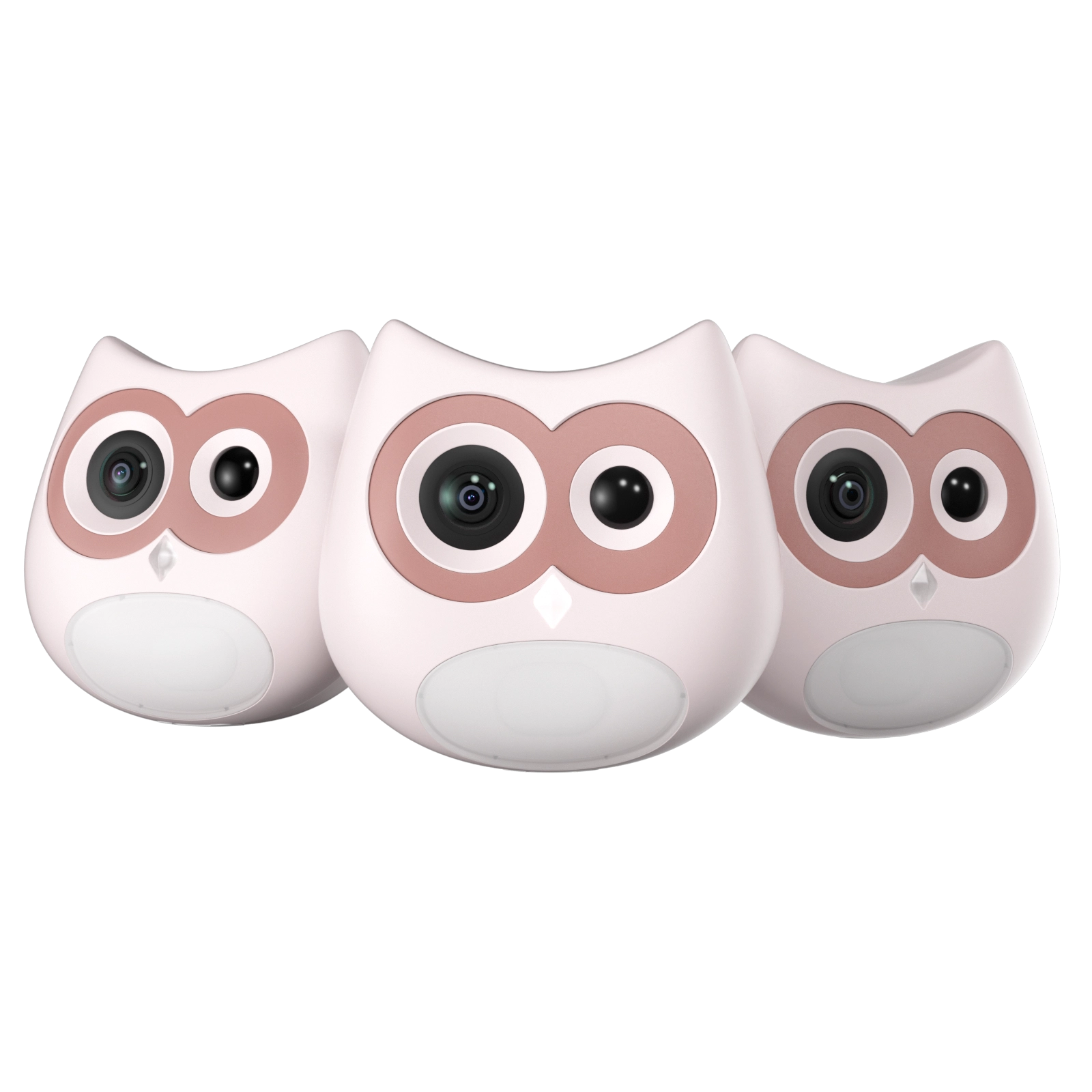
A litter box camera can help you keep that record. LitterLens logs each cat’s litter box visits and their length, classifies stool shape (hard, soft, or watery) and color, and counts urine clump events. It flags changes from each cat’s own baseline, which takes about a week to build. In homes with several cats, multi-cat LitterLens setups help you see which cat’s stool changed. The camera does not detect anemia, parasites, or any disease, and it cannot tell you why a cat eats litter, so a vet needs to make that call. Abnormal stool alerts require a Care+ subscription, while live view and visit counts are free.
When Should You Switch Litter Types for Cats Eating Litter?
While you work with your vet, it is safer to switch away from clumping clay to a non-clumping, unscented litter such as paper or pine, so that a cat that does swallow some is at lower risk. Change gradually by mixing the new litter with the old over one to two weeks, because a sudden change can make some cats avoid the box. Our guide to biodegradable cat litter compares the plant-based options. If your cat starts avoiding the box, read about why cats stop using the litter box.
| Scenario | Action |
|---|---|
| Occasional litter nibbles | Book a vet visit, switch to non-clumping unscented litter, note stool and behavior |
| Litter eating with pale gums, weakness, or vomiting | See a vet the same day |
| Litter eating with no stool for 48 hours or straining | Call your vet now |
What Are Proven Ways to Stop Cats from Eating Litter?
Start with a vet check for medical causes such as anemia. If none is found, address behavior: add play and climbing, keep routines steady, provide more than one litter box, and offer safe things to chew or forage. Your vet may also suggest a diet change, and if the cause is behavioral, block access to the preferred non-food item.
FAQs About Cats Eating Litter
Is a cat eating litter always pica?
Usually, yes. Eating litter is a form of pica, but it can have medical, behavioral, or environmental causes, so a vet visit sorts out which.
Can a litter box camera show which cat is eating litter?
Not reliably. LitterLens tracks visits and stool for each cat, which helps in multi-cat homes, but it is built to log bathroom visits, not to detect litter eating.
When should I worry about my cat eating litter?
Worry if it happens repeatedly, or if it comes with blood, diarrhea, vomiting, lethargy, pale gums, or weight loss. Call your vet.
Does eating litter mean my cat has anemia?
Not necessarily. Anemia is one possible cause, along with digestive disease and stress. Blood tests are the way to check.


