


Finding poop beside the litter box, on a rug, or in another room can be frustrating, especially when your cat has used the box reliably for years. A sudden accident rarely means your cat has forgotten its training or is trying to upset you.
Changes in litter, box placement, household activity, access, or social pressure can affect cat litter box habits. Health problems can produce similar signs, so unusual physical symptoms still matter. Once urgent concerns are addressed, the pattern around each accident can help identify what changed.

Can Sudden Litter Box Changes Have a Non-Medical Cause?
Yes. Cats may avoid a litter box after changes involving texture, scent, location, box design, household routine, or access. The place where the stool appears often provides the first useful clue.
|
What You Notice |
What It May Suggest |
What to Review |
|
The cat reached the area but found the box difficult or unpleasant to use |
Entry height, dimensions, litter, odor, and cleanliness |
|
|
Poop repeatedly appears on a rug |
A surface or location preference may be developing |
Texture, remaining odor, and box placement |
|
The problem began after moving the box |
The new area may feel exposed, noisy, or blocked |
Access, nearby activity, lighting, and exit routes |
|
One cat stops using shared boxes |
Another cat may be controlling access |
Box distribution and interactions near each box |
|
The cat repeatedly squats with little output |
Pain, constipation, or a urinary problem may be present |
Check urine and stool output promptly |
Clean each accident with a pet-safe enzymatic cleaner. Standard household cleaners may remove visible residue while leaving odors your cat can still detect.
Is the Cat Trying to Poop or Urinate?
A cat that keeps going to the litter box may appear constipated, though repeated visits can also signal difficulty urinating. This distinction affects how quickly you need to act.
Look for fresh urine clumps and observe your cat’s posture without interrupting. Repeated squatting, crying, genital licking, blood, or only a few drops of urine require urgent veterinary care. A cat producing little or no urine may have a urinary blockage, especially if the cat is male.
Normal urine output shifts attention back to bowel habits. Hard stool, diarrhea, blood, repeated straining, vomiting, appetite loss, or obvious discomfort can indicate a physical problem affecting defecation.
When Should a Medical Cause Be Ruled Out?
A sudden change in a previously reliable cat should be medically assessed when accidents repeat, no clear environmental trigger appears, or physical symptoms develop. Constipation, digestive upset, urinary disease, joint pain, reduced mobility, and age-related changes can all affect litter box use.
Signs that need prompt attention include:
- Straining or vocalizing
- Blood in stool or urine
- Reduced appetite
- Vomiting or lethargy
- Increased thirst
- Changes in urine output
- Pain when entering or squatting
- Sudden weakness or unusual hiding
Pain can also create a lasting negative association with the box. A cat may continue avoiding it after the original discomfort improves, which means the litter setup may still need adjustment.
Has the Cat Litter Type or Texture Changed?
A new litter can look familiar while feeling completely different under your cat’s paws. Fragrance, dust, granule size, material, and depth all affect acceptance.
Many cats prefer fine-grained, unscented litter. Individual preferences still vary. A cat accustomed to soft clumping litter may reject large pellets, hard crystals, strong fragrance, or an unusually deep layer.
If the problem began after a litter change, return the previous product to at least one box. Keep the box style and location unchanged so the litter remains the only variable. When a transition is necessary, mix the new product into the familiar litter gradually.
Changing the litter, box, and location on the same day makes the cause harder to identify. One change at a time gives you a clearer response.
Was the Litter Box Moved to a New Location?
A litter box may stop feeling safe after it is moved near a loud appliance, busy doorway, barking dog, or narrow hallway. Cats need reliable access and enough space to leave without feeling trapped.
Check the Route to the Box
The path leading to the box matters as much as the box itself. A closed door, slippery floor, staircase, dark hallway, or another pet resting nearby may interrupt access. Food and water should remain separate from the litter area.
If the box must be relocated, place another box in the new area while leaving the familiar one available. Remove the old box after your cat begins using the new location consistently.
Senior cats and cats with reduced mobility may need a box on every floor they regularly use. A basement or utility room may suit the household layout but still be difficult for a cat with stiff joints or less confidence on stairs.
Could the Cleaning Routine or Strong Scents Be Causing Avoidance?
Cats generally prefer a clean box, though strong cleaning smells can make a freshly washed box less appealing. Waste buildup, perfume, and chemical residue can all change how the area feels to your cat.
Scoop urine clumps and feces at least once each day. A box used by several cats may need attention more often. Wash it periodically with soap and hot water, rinse thoroughly, and allow it to dry before adding fresh litter.
Avoid ammonia-based cleaners, strongly scented disinfectants, perfumed liners, heavy deodorizing powders, and air fresheners placed beside the box. Scratched plastic can retain odor after washing, so an older box may eventually need replacement.
Has a New Pet or Person Changed the Household Environment?
A new cat, dog, baby, roommate, visitor, or caregiver can change noise, scent, movement, and access to familiar areas. A cat may respond by hiding, eating at different times, or avoiding a litter box that no longer feels private.
New pets should have separate food, water, resting spaces, and litter boxes during the introduction period. Your resident cat should have a clear route to the box without passing an unfamiliar animal.
Watch what happens near the entrance. A cat that pauses, scans the room, or leaves before eliminating may feel exposed. Moving one box to a quieter location can help reveal if household activity is contributing to the problem.
Has the Cat’s Daily Routine Recently Changed?
Cats often notice changes that people consider minor. A different work schedule, overnight guest, feeding time, renovation, furniture move, or noisy appliance can alter when the cat feels comfortable using the box.
Review recent changes in the home and restore familiar routines where practical. Keep meals, playtime, and box cleaning consistent while you observe changes in cat litter box habits.
A robot vacuum entering the litter area, a door that now stays closed, or furniture placed near the entrance may affect access. Cats that prefer quiet nighttime visits may also avoid a location that becomes busy during those hours.
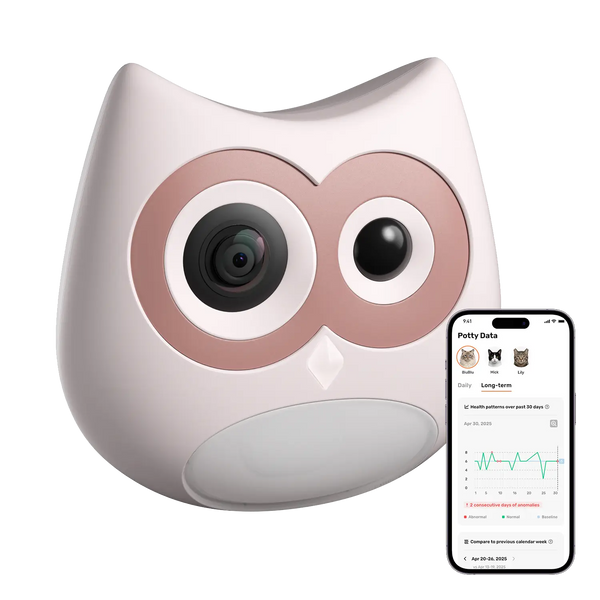
LitterLens can help owners review litter box visits that happen while the household is empty or asleep. Comparing visit frequency, duration, and time of day before and after a routine change can make the pattern easier to understand.
Never punish an accident or carry the cat back to the mess. Punishment can increase anxiety and strengthen avoidance. Clean the area calmly and correct the condition that made the box less appealing.
Could Box Size, Height, or Accessibility Be the Problem?
A cat needs enough room to enter, turn, dig, squat, and cover waste comfortably. Many standard litter boxes are too small for large adult cats.
A useful target is a box about one and a half times the cat’s body length, measured from the nose to the base of the tail. A large storage container with a smooth, safely cut entry can sometimes provide better dimensions than a standard litter tray.
Watch the Cat’s Body Position
How your cat uses the box can reveal a poor fit. Balancing on the rim, entering only halfway, hanging the back end over the edge, or leaving stool beside the entrance may indicate that the box is too small or difficult to enter.
Kittens, senior cats, overweight cats, and cats with limited mobility may need a low-entry box. Covered boxes can trap odors and restrict visibility. An uncovered box with a clear exit may feel safer in a multi-pet household.
A box that worked for years may become unsuitable as the cat grows, gains weight, or becomes less flexible.
Is Competition Affecting a Multi-Cat Household?
Competition between cats is often quiet. One cat may control access through staring, following, waiting nearby, blocking a hallway, or chasing another cat after it leaves the box. Visible fighting is not required for the affected cat to feel unsafe.
Spread Resources Across Separate Areas
Provide one litter box per cat, plus one additional box. Place them in different parts of the home. Several boxes lined up in one room may function as a single resource because one cat can control the entire location.
Each box needs a clear approach and an easy exit. Avoid placing every box in a dead-end room or narrow space. Food, water, beds, scratching surfaces, and elevated resting areas should also be distributed throughout the home.
Observe the cats during quiet periods. A cat that waits for another cat to leave before approaching the box may be responding to social pressure. In homes where it is difficult to tell which cat used the box, LitterLens separates litter box activity by individual cat. This makes it easier to see whose visit pattern has changed or which cat may be avoiding a shared location.

What Should Owners Track After Correcting an Environmental Trigger?
Useful records show how the pattern changes after each adjustment. Note the accident location, stool appearance, box condition, time of day, and any unusual household activity.
The most helpful details include:
- Which cat was involved
- Visit frequency
- Time spent in the box
- Urine and stool output
- Signs of hesitation or straining
- Which box the cat selected
- Changes after each adjustment
LitterLens automatically records litter box activity with photos and videos and organizes visit frequency and duration over time. The recorded history allows owners to review stool appearance and behavior around each visit, including details that may be missed during a quick daily check. It can help owners compare litter box patterns before and after an environmental adjustment, making meaningful changes easier to spot and document.
Change one environmental factor at a time, then compare the next several visits with the earlier record. This makes it easier to see which adjustment affected the pattern.
FAQs
Q1. Can an Automatic Litter Box Cause Sudden Avoidance?
Yes. Motor noise, movement, enclosed design, or a cleaning cycle that begins too quickly may frighten some cats. Keep a simple, uncovered box available during the adjustment period and check that the machine never activates while the cat is using it.
Q2. Do Some Cats Prefer Separate Boxes for Urine and Stool?
Yes. Some cats consistently urinate in one box and defecate in another. Two boxes in separate locations can reveal this preference and reduce accidents, even in a single-cat household.
Q3. Can a Litter Mat Make a Cat Avoid the Box?
Yes. Rough, sharp, unstable, or strongly scented mats may bother sensitive paws. Remove the mat temporarily and observe the response. A flat, soft, easy-to-clean surface may feel more comfortable near the entrance.
Q4. Should I Use a Litter Attractant?
It may help some cats during retraining or after a box change. Use it with a clean, accessible box and familiar litter. An attractant cannot correct social conflict, poor access, strong odors, or an unsuitable box design.
Q5. Can a Cat Reject a Plastic Litter Box Liner?
Yes. Liners may shift, catch on claws, or create unfamiliar sounds during digging. Remove the liner and place litter directly into a clean box to see if the cat becomes more comfortable.


