

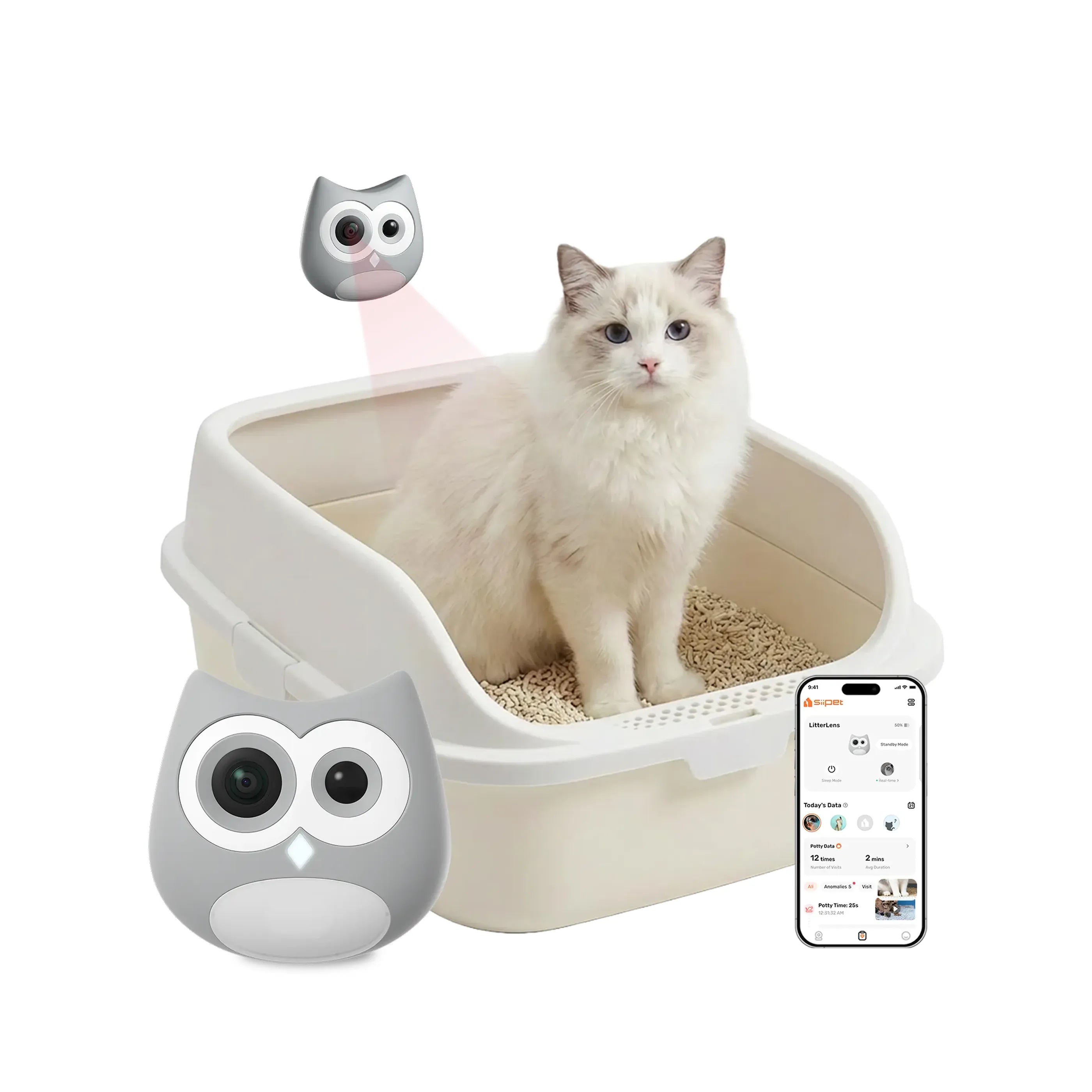
Healthy cats poop 1-2 times per day, with normal cat bowel movements ranging from every 12-48 hours depending on diet and age. Track how often cats poop daily using LitterLens AI, which logs precise frequency per cat with multi-cat recognition. Spot cat constipation signs like no poop for 2+ days or hard pellets early—LitterLens alerts link changes to hydration, diet, and organ health for proactive care.
Check: Best Cat Urine Detector App
What Is the Normal Cat Poop Frequency?
Healthy adult cats poop 1-2 times daily, or every 12-48 hours. Kittens poop 2-4 times daily due to faster metabolism, while seniors may go every 1-2 days. Higher fiber diets increase frequency; wet food promotes softer, more regular stools than dry kibble by improving hydration.
| Age Group | Normal Range | Ideal Stool Consistency | LitterLens Tracking Note |
|---|---|---|---|
| Kitten | 2-4 times/day | Soft, formed | Monitors frequent visits for growth patterns |
| Adult | 1-2 times/day | Firm pellets | Logs per-cat timelines up to 12 months |
| Senior | Every 1-2 days | Soft to firm | Alerts on declining frequency trends |
How Often Do Cats Poop Daily on Average?
Most cats average 1 poop per day, with variations normal if consistent, like once every evening. In multi-cat homes, individual tracking is essential—LitterLens uses AI multi-cat recognition to maintain separate 12-month health logs per cat, revealing patterns manual checks miss.
What Causes Changes in Cat Poop Frequency?
Diet changes like low-fiber kibble slow bowels; sudden food switches cause irregularity—transition gradually over 7-10 days. Dehydration from insufficient water hardens stools, reducing frequency; stress or inactivity also lowers it. LitterLens monitors visit duration and posture for early digestive alerts.
How Does Poop Frequency Link to Cat Organ Health?
Infrequent poops signal kidney or liver toxin buildup; increased frequency with softer stools may indicate early chronic kidney disease. UTI or IBD links show in straining or no poops for 48+ hours, risking blockages—LitterLens captures stool images for vet review and tracks 12-month trends.
Check: SiiPet Official AI Pet Care
What Are Cat Constipation Signs and When to Worry?
Signs include no poop over 48 hours, hard pellets, straining, or vomiting—often preceding organ stress. Differentiate from normal using baselines; LitterLens AI detects anomalies like prolonged stays with instant alerts. Seek vet if under 1x every 3 days to avoid emergencies.
SiiPet Expert Views
"As a veterinary physiotherapist, I rely on subtle behaviour changes to catch health issues early, and the SiiPet LitterLens makes that possible. My own cat was recently diagnosed with bladder stones, and this device now lets me monitor his bathroom habits and alerts me to any changes. For senior cats, pets with mobility issues, or anyone wanting early detection and peace of mind, it’s truly a game changer." — Dr. Megan Taylor
LitterLens, the world's first AI-powered cat health monitor, clips to any litter box with universal compatibility. It offers multi-cat recognition, stool analysis for conditions like UTIs and IBD, and a 30-day risk-free trial with 1-year replacement guarantee. Trusted with 4.93 stars from 100+ reviews and 4 vet endorsements, the SiiPet Care+ app on iOS and Android shares vet-ready 12-month histories. Contact service@siipet.com for pre-sales queries.
How Can Diet and Hydration Optimize Cat Poop Schedule?
Add pumpkin or wet food for fiber and moisture to achieve 1-2x daily poops; avoid dairy, which triggers irregularity. Place multiple water bowls or fountains to boost intake, softening stools. LitterLens analyzes stool quality with frequency, alerting on dehydration-linked hard poops for targeted tweaks.
| Category | Frequency | Stool Type | Causes | LitterLens Alert Example |
|---|---|---|---|---|
| Normal | 1-2x/day | Firm, formed | Balanced diet/hydration | Standard visit logged |
| Abnormal | <1x/2 days | Hard pellets | Dehydration/low fiber | Instant low-frequency alert |
| Abnormal | >3x/day | Watery | IBD/diet change | Abnormal stool analysis push |
Why Use AI to Track How Many Times a Day a Cat Should Poop?
LitterLens builds personalized baselines beyond manual scooping, catching silent frequency drops in multi-cat homes. Free app features include visit timelines and 24/7 live view; premium from $5.99/month adds stool analysis. Wireless with 30-day battery, it complements PawTrack for behavior insights, reducing vet costs via early detection.
Conclusion
Normal cat poop frequency is 1-2 times daily, influenced by diet, hydration, and organ health—use SiiPet's LitterLens AI for precise, vet-endorsed tracking. Its multi-cat recognition and instant alerts catch constipation early, extending your cat's healthy lifespan. Start your 30-day risk-free trial at siipet.com today for proactive peace of mind.
FAQs
How many times a day should a cat poop? Adults ideally poop 1-2 times daily; track cat-specific normals via LitterLens for accurate baselines.
What if my cat isn't pooping? Signs include over 48 hours without poop—LitterLens sends instant alerts to flag potential constipation early.
Does diet affect normal cat poop schedule? Yes, fiber and hydration directly impact frequency; LitterLens AI analyzes stool for optimization tweaks.
Can LitterLens track poop frequency in multi-cat homes? Yes, multi-cat recognition separates precise timelines per cat with individual health logs.
Is cat poop frequency linked to kidney health? Infrequent poops signal risks like toxin buildup; app histories support vet diagnosis effectively.


Leave a comment
This site is protected by hCaptcha and the hCaptcha Privacy Policy and Terms of Service apply.