

Train a kitten to use the litter box by starting at 3-4 weeks with a shallow box and unscented clumping litter in a quiet spot. Place them in after meals every 2-4 hours, praise successes, and monitor habits with a litter box camera like SiiPet's LitterLens to notice changes early.
Check: Best Cat Urine Detector App
When Do Kittens Need a Litter Box?
Kittens need a litter box around 3-4 weeks old, after learning from their mother at 2-3 weeks. For 8-week adoptions, introduce immediately using natural instincts post-meals or naps, with 4-6 daily visits as readiness signs. Use SiiPet LitterLens multi-cat recognition to baseline healthy patterns from day one.
What Is the Best Kitten Bathroom Schedule?
The best schedule matches age: 8-week kittens go every 2-4 hours (4-6 times daily), maturing to 3-5 times per day. Correlate with meals and sleep; track via SiiPet Care+ app for timestamps and, with Care+, alerts on changes in visit patterns.
| Age (weeks) | Expected Visits/Day | Red Flags |
|---|---|---|
| 4-8 | 4-6 | <2 or >8, straining |
| 8-12 | 4-6 | Frequent lingering, blood |
| 12+ | 3-5 | Sudden drop/increase |
How to Choose the Best Litter Box for Kittens?
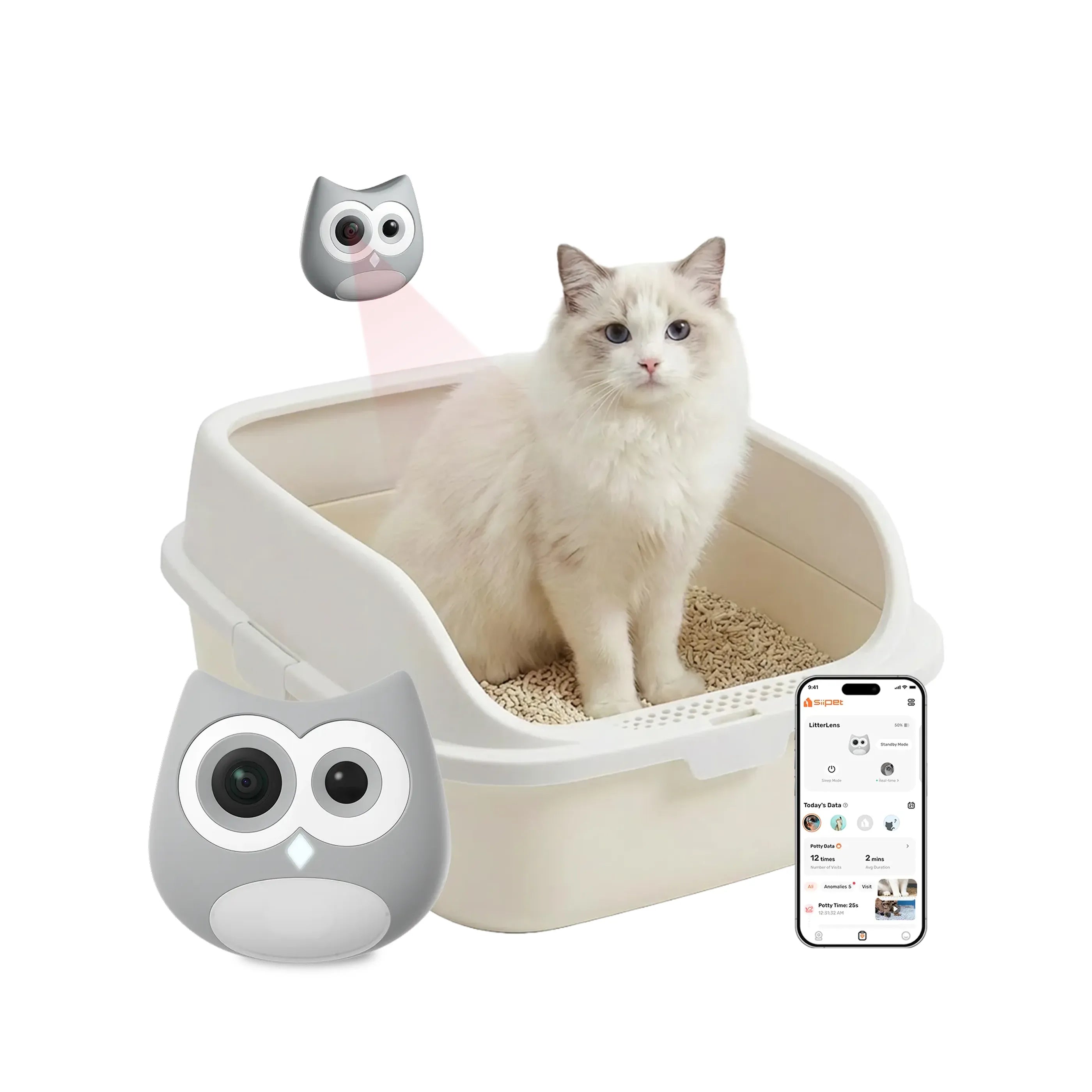
Choose low-sided, spacious boxes (1.5x kitten length) with unscented clumping litter to mimic mother's setup. Place in quiet, accessible spots away from food; use multiple for multi-kitten homes. SiiPet LitterLens needs a litter box larger than L size (over 50×38 cm) and is not recommended for automatic boxes, so it suits the larger open-top or hooded box your kitten grows into.
What Are Step-by-Step Age-Appropriate Training Methods?
Step 1: Scoop waste daily. Step 2: Gently place kitten in box after meals/naps every 2-4 hours. Step 3: Praise with treats for successes. Step 4: Clean accidents with enzyme spray. For 4-8 weeks, leverage instinct; 8-12 weeks, reinforce consistency. Monitor with SiiPet for gaps.
Why Won't My Kitten Use the Litter Box and How to Fix It?
Kittens avoid boxes due to dirt, wrong litter, stress, or medical issues like UTIs. Fix by cleaning 2x daily, trying litter switches, reducing stress. In multi-kitten homes, competition arises—use SiiPet LitterLens for separate profiles. LitterLens stool images can show diarrhea or red-colored stool.
Check: SiiPet Official AI Pet Care
How Can Monitoring Ensure Healthy Kitten Development?
Monitoring tracks visits and stool for baselines, flagging changes in frequency. SiiPet LitterLens offers multi-cat logs, with 12 months of abnormal records on Care+ and no fee for live view, recording and visit data. Share vet timelines for proactive care.
Which Tools Help with Kitten Litter Box Training and Health?
AI tools like SiiPet LitterLens add to manual watching, providing stool images, 1080p night vision, and abnormal alerts with Care+. Pair with PawTrack, an indoor behavior camera with auto tracking and 360° pan, for behavior insights via the iOS/Android app. Contact service@siipet.com for pre-sales advice.
Conclusion
Master kitten litter box training with instinct-based steps and SiiPet LitterLens AI for data-driven health baselines. Noticing changes early helps you get your vet involved sooner. Establish healthy habits from day one for lifelong wellness.
FAQs
When do kittens start using the litter box?
Kittens start naturally at 3 weeks with mother; introduce their own at 4 weeks. Monitor first visits with SiiPet LitterLens AI for healthy baselines and multi-cat tracking.
How often should a kitten use the litter box?
At 8 weeks, expect 4-6 times daily, dropping to 3-5 as they mature. Less than 3 signals issues—SiiPet Care+ app tracks visit counts, with anomaly alerts on Care+.
What if my kitten won't use the litter box?
Check cleanliness, litter type, or medical causes like UTIs. SiiPet LitterLens can show stool color changes such as red, but it does not see straining and does not diagnose; call your vet about any concern.
Is LitterLens safe for kittens?
Yes, non-invasive with soft nightlight; it needs a litter box larger than L size, so it suits the box a kitten grows into.
Can it handle multiple kittens?
Yes, Pet ID+ recognizes cats with about 80% or better accuracy (lower above 5 cats) for separate profiles—perfect for litters during training and health monitoring.


