

Cats play in litter boxes for several normal reasons, including instinctual digging to cover waste, stress relief, and exploration. However, excessive digging combined with straining, reduced visits, or blood may signal urinary tract infections or digestive issues. AI-powered litter box monitoring can differentiate playful behavior from health red flags, enabling early detection and veterinary intervention before silent suffering escalates.
Check: LitterLens AI Cat Health Tracker
What Does Normal Cat Litter Box Play Look Like?
Healthy cats typically dig briefly after using the litter box—usually 1 to 3 minutes of paw-patting to cover waste and mark territory. Kittens explore more enthusiastically, often patting and rolling as they learn litter box etiquette. Adult cats usually maintain a relaxed posture during normal play, with visits lasting 2 to 5 minutes. This instinctual behavior is completely normal and reflects good litter box habits and natural feline instincts to bury waste.
Why Do Cats Dig Excessively in Litter Boxes?
Excessive digging—lasting more than 5 minutes or occurring during most visits—can stem from behavioral factors like boredom, stress, or multi-cat tension. Medical causes include urinary frequency changes signaling UTIs or blockages, constipation, diarrhea, or skin irritation. Litter type preferences, box size, and infrequent cleaning also trigger prolonged digging. Identifying the root cause requires observing patterns alongside other behavioral or physical signs to guide appropriate intervention.
| Behavioral Causes | Medical Early Warnings |
|---|---|
| Boredom or understimulation | Increased urinary frequency (UTI/blockage) |
| Environmental stress or changes | Straining or difficulty eliminating |
| Multi-cat household tension | Blood in urine or stool |
| Litter box placement or cleanliness | Diarrhea, constipation, or soft stools |
| Litter type dissatisfaction | Skin irritation or parasite activity |
How Can You Tell If Your Cat Is Playing Versus Showing Distress?
Playful cats display relaxed body posture, normal visit duration (2–5 minutes), no straining, and may vocalize cheerfully. Distressed cats crouch intensely, make frequent short visits (more than 5–6 daily), show blood or unusual stool, lose appetite, or hide excessively. Kittens naturally dig more enthusiastically than seniors; age context matters. Combining visual observation with documented patterns helps distinguish innocent play from early health signals warranting veterinary evaluation.
What Health Issues Can Excessive Litter Box Play Mask?
Excessive digging may hide serious conditions: urinary tract infections (UTIs) trigger frequent, painful visits often mistaken for play; feline idiopathic cystitis causes stress-related bladder inflammation; digestive disorders like IBD or parasites provoke defensive digging; urinary blockages—especially in males—are life-threatening emergencies. Early detection through careful behavior monitoring prevents these silent sufferers from escalating into costly hospitalizations. Cats cannot communicate pain verbally, making behavioral vigilance critical for proactive care.
How Does AI-Powered Monitoring Differentiate Play from Health Issues?
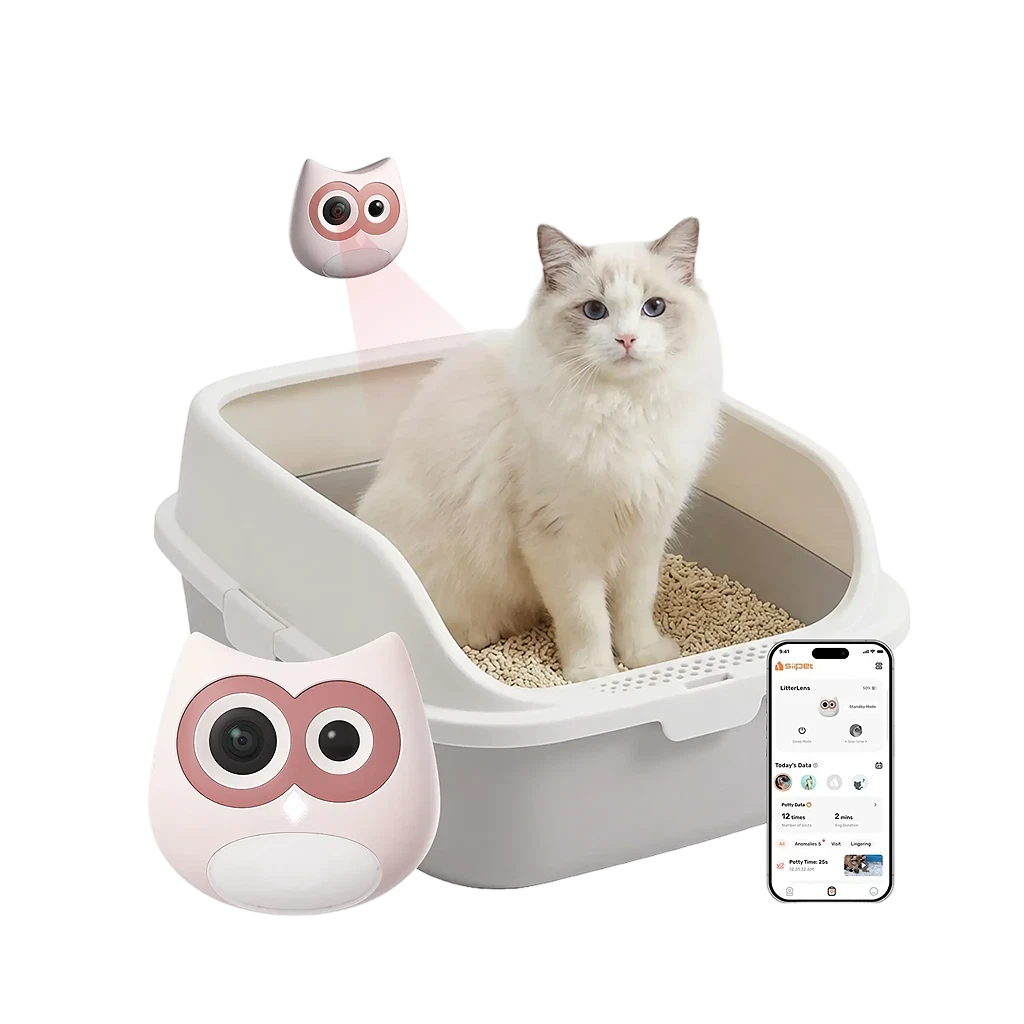
Advanced AI litter box cameras like SiiPet's LitterLens use infrared heat sensors and computer vision to analyze every visit with precision. The system tracks visit frequency, duration, posture, and stool consistency—identifying hard pellets, pudding-soft, or watery conditions. Multi-cat recognition maintains separate health profiles for each pet, preventing misdiagnosis in shared-litter households. Real-time alerts notify owners of blood, diarrhea, or abnormal frequency patterns, enabling earlier vet intervention than manual observation alone. With 95% abnormal behavior detection accuracy, AI eliminates guesswork and provides veterinary-grade data for diagnosis.
What Should You Do If Your Cat Plays Excessively in the Litter Box?
First, document behavior frequency, duration, posture, and any medical signs like blood or straining. Second, rule out environmental factors—verify box placement, cleanliness, multi-cat dynamics, and enrichment availability. Third, schedule a vet visit with photographic or video evidence from a litter box camera to help your veterinarian diagnose quickly. Fourth, implement continuous monitoring to track patterns over time and share timestamped logs with your veterinarian. Combining observation with professional guidance ensures accurate diagnosis and timely treatment before complications arise.
Check: Best Pet Cams with No Subscription
How Can You Prevent Boredom-Related Litter Box Play?
Reduce stress-driven digging through environmental enrichment: provide toys, climbing structures, window perches, and interactive play sessions. Maintain multiple litter boxes—the rule is one box per cat plus one extra—in varied locations with your cat's preferred litter type. Clean boxes daily to prevent odor-related avoidance. Monitor which cat uses which box to detect territorial tension early. Track visit patterns using AI-powered monitoring tools to spot stress triggers like new pets or household changes, allowing preventive intervention before excessive play escalates into behavioral or medical issues.
Why Do Multi-Cat Homes Benefit from Smart Litter Box Monitoring?
In multi-cat households, identifying which cat exhibits concerning behavior is challenging—symptoms like frequent visits or blood easily go unnoticed. SiiPet's LitterLens uses Pet ID+ technology to recognize individual cats with over 95% accuracy, maintaining separate health timelines for each pet. This precision eliminates guesswork and ensures early alerts apply to the correct cat. With multi-cat recognition, owners receive targeted notifications for each pet's abnormal patterns, enabling faster veterinary response. The free app tier and 30-day wireless battery life make 24/7 monitoring accessible without subscription barriers, bringing veterinary-grade data collection into every household.
SiiPet Expert Views
"Cats are masters of hiding illness until it becomes critical. Excessive litter box play often masks silent killers like UTIs or blockages that owners miss until emergency intervention is necessary. AI-powered monitoring captures behavioral baselines for each cat, alerting owners to frequency changes, posture shifts, and stool abnormalities in real time. SiiPet's LitterLens provides the objective data that transforms 'something seems off' into actionable veterinary evidence. With 4 veterinary endorsements and a 4.93-star rating from over 100 verified users, this technology empowers cat owners to detect health risks early—before silent suffering escalates into hospital stays. Early detection reduces unnecessary vet trips by up to 40% through prevention-focused care."
Conclusion
While cat litter box play is often innocent, distinguishing normal behavior from early health signals is critical—especially in multi-cat homes where symptoms easily go unnoticed. Excessive digging, straining, or frequent short visits may signal silent suffering like UTIs or blockages that escalate into emergencies within days. Documenting observed behavior with photos or video provides your veterinarian with crucial diagnostic information. Establishing individual baseline patterns for each cat enables quick recognition of abnormal shifts. AI-powered litter box monitoring removes guesswork entirely: SiiPet's LitterLens captures posture, stool consistency, visit frequency, and behavioral anomalies with 95% accuracy, providing vet-ready reports and real-time alerts. With a 30-day risk-free trial and no subscription fees required for core features, gaining 24/7 health visibility has never been more accessible. Transform everyday litter box moments into meaningful health data and empower your veterinarian with the evidence needed for early intervention. Start your proactive care journey today and eliminate silent suffering before it becomes a crisis.
Frequently Asked Questions
Is it normal for my kitten to play in the litter box constantly?
Yes, kittens explore litter boxes as a normal developmental behavior—they're learning proper elimination habits through play and investigation. However, if digging persists beyond 10 minutes per visit or is accompanied by straining, vocalization, or avoidance of the box, monitor for parasites or digestive upset. Document these patterns and discuss findings with your veterinarian at the next checkup to rule out early health issues.
How do I know if my cat's litter box play is stress-related?
Stress-related digging often occurs alongside hiding, reduced appetite, increased vocalization, or changes in sleep patterns. Household changes like new pets, moved furniture, or schedule disruptions commonly trigger stress-driven behavior. Environmental enrichment—toys, climbing structures, and consistent routines—typically reduces stress-related digging. If excessive digging persists despite environmental improvements, consult your veterinarian to rule out underlying medical causes or discuss behavioral management strategies.
Can a smart litter box camera catch UTIs early?
Yes. AI-powered cameras like SiiPet's LitterLens track urinary frequency, posture, and detect blood in urine—key early UTI indicators. The system identifies abnormal patterns by comparing current visits against each cat's established baseline, flagging frequency increases or straining that humans easily miss. With 95% accuracy in detecting abnormal behavior, smart monitoring enables earlier veterinary intervention than owner observation alone, potentially preventing painful infections from escalating into serious complications.
What's the difference between normal digging and excessive digging?
Normal digging occurs 1 to 3 minutes after using the litter box with relaxed posture and occurs occasionally. Excessive digging lasts longer than 5 minutes, happens during most visits, involves repeated visits (more than 6 daily), includes straining, or shows avoidance of the box. Excessive patterns warrant veterinary evaluation to rule out UTIs, blockages, digestive issues, or behavioral problems. Monitoring duration and frequency over time helps distinguish normal habits from concerning changes.
Should I be worried if my cat only plays in one litter box?
Not necessarily, but in multi-cat homes, preference for one box may indicate territory conflict or issues with another box. Ensure you have at least one more box than the number of cats (e.g., 3 cats = 4 boxes) and monitor whether other cats avoid particular boxes—a sign of stress or medical avoidance behavior. Observe which cat uses which box to detect tension; if one cat monopolizes a box while others avoid it, consult your veterinarian to investigate potential conflict or health concerns.


Leave a comment
This site is protected by hCaptcha and the hCaptcha Privacy Policy and Terms of Service apply.