


Yes, a litter box camera can be worth adding when you want clearer records of your cat’s bathroom routine without replacing a familiar box. LitterLens documents detected visits, preserves visible behavior, and captures stool photos when the view is clear. Unlike a general cat camera, it organizes this information into a visit history. A cat litter box camera adds monitoring rather than automatic cleaning, and its records support observation without diagnosing a health condition.

What Does a Litter Box Camera Actually Record?
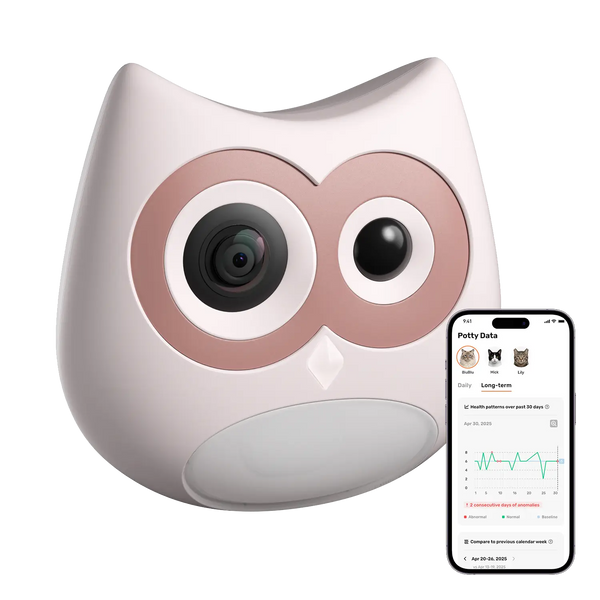
LitterLens records video for every detected litter-box visit. Each event includes the visit time and duration, making it easier to review a particular bathroom trip without searching through hours of unrelated footage from a general cat camera.
The device creates two distinct types of visual records:
- Visit videos: These may show the cat entering, digging, positioning its body, eliminating, covering waste, and leaving when those actions remain visible.
- Stool photos: A separate image is captured when visible stool has a clear camera view. These photos preserve visible shape, color, and texture for comparison.
The event history can help owners answer practical questions. Did the cat visit more frequently today? Was one visit longer than usual? Did the cat repeatedly enter and leave? When did a visible stool change first appear?
Urination behavior or urine may also appear in ordinary visit playback when the camera has a clear view. However, LitterLens does not automatically classify visits as urination or defecation, create separate urine photos, measure urine output, or analyze urine.
Why Add a Camera Instead of Replacing Your Current Litter Box?
A regular litter box may already suit your cat’s size, litter preference, and bathroom habits. Replacing it with an automatic model can introduce a different entrance, interior space, sound, cleaning motion, or litter requirement. Adding a cat litter box camera preserves the setup your cat already accepts while making previously unobserved visits easier to review.
Automatic litter boxes primarily handle waste removal. A litter box camera records and organizes visible activity but does not scoop or clean the box. The right choice depends on whether your priority is reducing manual scooping or gaining more information about individual visits.
This add-on approach lets you keep the current box and litter without buying a complete litter-box system. You can also move the camera to another suitable box later, provided the new position offers a stable mount and a clear, unobstructed view.
How Easy Is a Litter Box Camera to Set Up?
LitterLens includes an adhesive mount designed for a flat, dry, stable surface. Setup uses Bluetooth and a 2.4 GHz Wi-Fi connection, while the live view helps confirm the camera angle before monitoring begins.
In Cats’ LitterLens video review, Sarah from Cats.com found the app and connection process straightforward when setting up the camera for her cat Gordon. She also wished the included mounting method were easier to reposition, so checking the angle before firmly attaching the adhesive is worthwhile.
A practical setup requires three checks:
- Position the camera where it can see the main litter area rather than only the entrance.
- Confirm that the cat’s body will not block the entire view during normal use.
- Leave enough room for the cat to enter, turn, dig, and leave comfortably.
The camera has a rechargeable battery and can also operate while charging. Cordless use provides more placement flexibility, especially when the litter box is not near an outlet. Battery runtime depends on the number of visits, recording activity, live-view use, Wi-Fi strength, ambient temperature, and other operating conditions. Sarah preferred the wireless setup but noted that heavier use could shorten the time between charges.

What Does Real-World Use Reveal About Video Quality?
Sarah found that the camera’s wide field of view covered the litter-box area well and that low-light footage remained useful when the room was dark. The 1080p video provided enough detail for her to review Gordon’s posture and visible behavior during a visit.
Litter dust, a cat’s body, or the walls of an enclosed box can still obscure parts of the recording.
The test involved one cat, so it provided useful evidence about setup, video clarity, app navigation, and event recording. It did not meaningfully test multi-cat identification. In a multi-cat home, the app creates separate cat profiles, while owners can review and reassign an event when needed.
Where Does AI Detection Still Need Human Review?
AI helps organize visits and surface information that owners could otherwise miss, but ambiguous events still benefit from a quick check. Camera angle, partial visibility, unrelated movement, and covered stool can affect what the system sees.
During Sarah’s test for the Cats channel, her movement near the camera was once recorded as a litter-box event. The app allowed her to indicate that the event did not involve Gordon and remove it from the relevant history. This example shows why an unusual event should be checked against its associated video.
Sarah also placed overnight oats in the litter box to explore the stool-analysis response. The image was categorized as normal. Because overnight oats are not cat stool, this was not a scientific accuracy test and cannot establish how the system performs across real stool samples or medical conditions. It does demonstrate why an AI label should be considered together with the original image.
When the app flags an event, owners can review what is visible and correct an unrelated event or incorrect cat assignment when necessary. LitterLens provides visual records and supported automated analysis, while the owner supplies context the camera cannot know, such as a recent food change or another change in the household.
A stool image can document visible appearance, but it cannot identify the cause of a change. A video may show repeated digging or an unusually long visit, but it cannot confirm pain or diagnose a urinary or digestive condition. Relevant records can instead provide more precise context for a veterinary discussion.
Multiple Litter Boxes Require a Wider Coverage Plan
A camera can record only the litter-box area within its field of view. If a cat uses boxes in different rooms, monitoring one box creates an incomplete visit history. Even a single-cat household may need more than one camera when the cat regularly divides visits between several locations.
Start with the box your cat uses most often. Add another camera only when a second location creates a meaningful gap in the history. Multiple LitterLens cameras can be managed through the same app, allowing records from different locations to remain accessible in one place.
Two nearby boxes may fit within one view, but both litter areas must remain clearly visible. A wider image is not useful if distance, furniture, or the cats themselves obscure the activity that matters.

Choose a Litter Box Camera That Fits Your Cat’s Routine
Add LitterLens to the litter box your cat already uses and begin building a clear, organized history of detected visits. Use the live view to confirm the angle before fixing the mount, keep the litter area unobstructed, and let the app capture the visits you cannot watch yourself. When an unusual event appears, open the matching video or stool photo, compare it with your cat’s usual routine, and use that evidence to decide whether closer observation or a veterinary conversation is needed.
FAQs
Q1. Does LitterLens Require a Subscription?
No subscription is required for the core features. These include visit logs, stool snapshots, multi-cat recognition, live view, visit and status alerts, and access to the most recent three days of visit videos. Paid membership extends visit-video storage to 30 days and adds supported abnormal stool and habit-trend analysis, abnormal alerts, and longer abnormal-event history.
Q2. Can Family Members or Pet Sitters Access the Camera Records?
Yes. Device Sharing allows the owner to invite up to five family members, friends, or other caregivers to view shared videos and photos. Each person can use an individual SiiPet account, so the primary account password does not need to be shared. Caregivers can therefore access the same recorded context when responsibilities change.
Q3. Can LitterLens Tell Whether a Cat Peed or Pooped?
Urination or defecation behavior may be visible in the visit video when the camera angle is clear. However, LitterLens does not automatically classify a visit as urination or defecation. It also does not generate a separate urine photo, measure urine output, analyze urine, or diagnose a urinary condition.
Q4. Can LitterLens Work With a Covered or Automatic Litter Box?
LitterLens can work with many covered and automatic litter boxes when there is a stable mounting position and a clear view of the primary litter area. On an automatic box, the camera and mount must stay clear of the entrance, rake, rotating globe, door, and other moving components. Contact service@siipet.com when compatibility with a particular model is uncertain.
Q5. What Happens If the Camera Cannot See the Stool Clearly?
If the cat covers the stool before LitterLens captures a clear automatic image, the event can still retain the cat identity, visit time, duration, and visit video. You can review the clip, capture a screenshot, and add a photo manually when it provides useful visible context. A missing stool photo does not necessarily mean the visit itself was missed.


