


Yes, a litter box camera can work with many covered litter boxes. LitterLens can be added to the box your cat already uses, while the included adhesive mount or optional magnetic and gooseneck mounts provide different ways to position the camera. The main goal is simply to keep the litter area visible without reducing your cat’s normal space.

Can a Covered Litter Box Still Support Reliable Cat Health Monitoring?
A covered litter box can still support useful health monitoring. Cats often hide discomfort, so changes in litter box frequency, visit duration, posture, or stool appearance may be among the first signs owners notice.
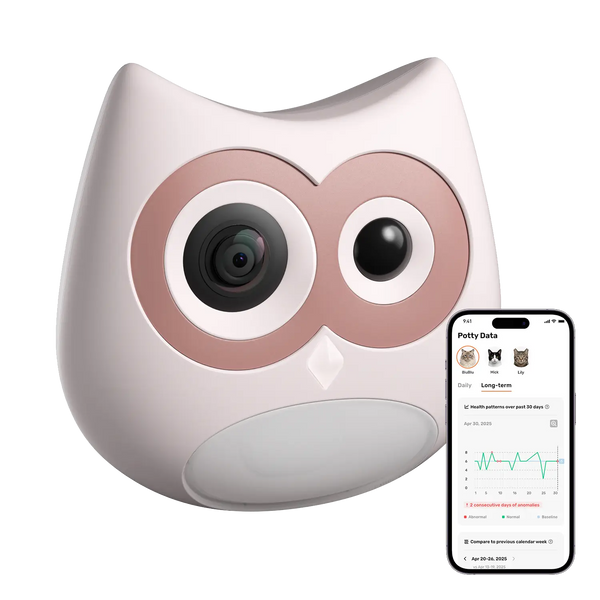
LitterLens records these daily patterns and organizes them over time. This gives owners a clearer view of their cat’s normal routine and makes unusual changes easier to recognize. It can also help multi-cat households identify which cat used the box during each recorded visit.
Reliable monitoring depends on a clear view of the litter surface and enough space to capture the cat’s main movements. Interior size, wall shape, entrance position, and camera angle all affect the final setup.
The camera does not diagnose urinary disease, constipation, kidney problems, or digestive conditions. It records visible changes that may deserve closer attention. Repeated trips with little output, prolonged straining, crying, vomiting, weakness, or sudden hiding require prompt veterinary care. A complete urinary blockage can become an emergency, especially in male cats.
Why Monitoring Is Helpful With a Covered Litter Box
Covered litter boxes give cats privacy, but they also keep daily bathroom activity out of sight. Owners may not notice changes in visit frequency, time spent inside, or visible stool appearance during normal cleaning.
A litter box camera creates a consistent record without requiring owners to watch the box throughout the day. This can be especially useful for nighttime activity and multi-cat households.
For the clearest view, look for a covered box with enough interior space and a stable inner wall. After fitting the lid, check that the main litter area and the cat’s entry path remain visible.
What LitterLens Needs to See Inside a Covered Litter Box
LitterLens works as a focused cat health monitor by recording activity inside the litter box. A clear cat camera view helps organize each visit and provides useful information about toileting behavior, visit duration, and visible waste.
The Cat’s Body Position
The video should show the cat entering, turning, digging, squatting, covering, and leaving. These movements provide helpful context for each visit and make it easier to review changes in normal bathroom behavior.
Leave enough space between the lens and the cat so the main body position remains visible throughout the visit.
The Full Litter Surface
Cats may use different areas of the box, so the lens should cover the full usable litter bed. A wide view helps LitterLens record activity across the entire space.
Close the lid and check the live view to confirm that the full usable litter area remains clearly visible.
Visible Waste After the Visit
A clear view after the cat leaves helps LitterLens record visible stool details, including shape, consistency, and color. These records can support routine monitoring and make changes easier to review over time.
Visit frequency and duration also add useful context, helping owners build a clearer picture of their cat’s regular litter box habits.
Pet Camera vs. Cat Health Monitor: What Is the Difference?
A general pet camera watches a room and records broad activity. A litter box monitor organizes toilet visits and focuses on elimination patterns.
| Feature | General Pet Camera | Litter Box Health Monitor |
|---|---|---|
| Placement | Living room or pet area | Inside or beside the litter box |
| Main purpose | General activity and remote viewing | Toileting trends and visit records |
| Common records | Motion, sound, rest, and movement | Frequency, duration, posture, and visible stool |
| Multiple cats | Shows pets sharing one space | Links litter activity to individual profiles |
| Viewing requirement | Broad room view | Clear view of the cat and litter bed |
A standard pet camera may show that a cat entered the room, but it usually does not organize each litter box visit into a health history. LitterLens records visits, supports live viewing, and organizes activity by individual cat profiles in multi-cat households.
How to Check Whether Your Covered Litter Box Is a Good Fit
Most covered litter boxes can support LitterLens if they offer a stable mounting point, enough room for the cat, and a clear view of the litter area. Check these essentials before installation:
| Compatibility Check | What to Look For |
|---|---|
| Mounting surface | A flat, dry, and stable area |
| Interior space | The cat can enter, turn, and squat comfortably |
| Camera view | Most of the usable litter area remains visible |
| Moving parts | Rakes, drums, or doors stay clear of the camera |
Top-entry boxes may need a different camera angle. For self-cleaning models, run one complete cleaning cycle after installation to confirm that the camera does not interfere with any moving parts. Once the camera is secure, the lid closes normally, and the cat can move comfortably, the setup is ready for routine monitoring.
If you want more flexibility when adjusting the camera position, or the litter box does not have a flat surface for the included adhesive mount, SiiPet also offers an optional Magnetic Mount and Gooseneck Holder.
Choose the Right LitterLens Mount for Your Covered Box
Different covered litter boxes provide different mounting surfaces. LitterLens includes an adhesive mount, while the optional Magnetic Mount and Gooseneck Holder offer easier alternatives when the inside wall is curved, narrow, or difficult to reach.
Use the Included Adhesive Mount on a Flat Wall
The adhesive mount is the simplest option when the covered box has a smooth, flat interior wall. Clean and dry the selected area, attach the mount, and position LitterLens so the usable litter surface remains visible.
This option keeps the camera compact and close to the wall. However, another mount may be more convenient if the interior surface is curved or if you expect to adjust the camera position later.
Choose the Magnetic Mount for Easy Repositioning
The SiiPet Magnetic Mount attaches to a compatible litter box rim with sufficient thickness. It does not require drilling or a permanent fixture, so the camera can be moved or repositioned without rearranging the litter box.
To use it, first check that the rim is suitable for the magnetic mount. Secure the mount to the rim, position LitterLens toward the litter area, and confirm the view in the app. This option is useful when owners want a clean setup that can be adjusted easily.
Choose the Gooseneck Holder for More Angle Control
The SiiPet Gooseneck Holder clips onto the litter box rim or another nearby edge. Its flexible arm can then be bent until the camera has a clear view of the litter bed.
Because the camera sits in an elevated position, the cat is less likely to block the lens while entering or turning. The raised position also helps keep the camera away from litter, splashes, and accidental kicks. Owners can adjust the arm without moving the litter box or changing the cat’s familiar setup.
After installing any mount, open the live view and make one final angle adjustment. If the litter area is visible and the cat can enter normally, no further setup is usually needed.
FAQs
Q1. Do I Need to Replace My Covered Litter Box?
No. Many covered litter boxes can support LitterLens when they have a stable mounting surface, enough room for the cat, and a clear view of the litter area. Owners can usually keep the box their cat already uses.
Q2. Will the Camera Disturb My Cat?
Usually not. LitterLens can be mounted inside the existing box without changing its location or litter. Keep the entrance open, preserve normal turning space, and allow the cat to approach the updated setup at its own pace.
Q3. Can LitterLens Monitor Litter Box Use at Night?
Yes. When the surrounding light is too low, LitterLens automatically turns on its soft supplemental light so it can continue recording litter box visits clearly. The light brightens gradually instead of switching on suddenly at full intensity, helping avoid startling the cat or interrupting its normal bathroom routine. This allows owners to review nighttime visits, including activity they may miss while sleeping.
Q4. Can LitterLens Be Used in a Multi-Cat Home?
Yes. LitterLens uses AI visual recognition to distinguish between cats and create an individual profile for each one. It then organizes litter box visits, visit frequency, duration, and visible stool records under the matching cat’s profile. This helps owners see which cat’s routine has changed and identify which one may need closer attention or veterinary follow-up.
Q5. Does LitterLens Replace Veterinary Care?
No. LitterLens records litter box habits and visible changes over time, but it does not diagnose health conditions. Frequent straining, repeated visits with little urine, or an inability to urinate require prompt veterinary attention.


