


When several people care for the same cat, it can be difficult to remember who noticed what and when it happened. One person may see a longer litter box visit, while another cleans the box before hearing about it. A pet health monitor creates a shared, time-stamped record of litter box activity, including visit details, photos, and videos. Caregivers can also add brief notes about food, medication, behavior, or household changes when useful. This gives everyone a clearer view of the cat’s daily routine without relying on memory or secondhand descriptions.
Why Do Shared-Care Households Miss Important Changes?
Each caregiver sees only part of the cat’s day. One person may notice an unusual litter box visit, while another may clean the box without knowing that anything changed. Details can also become unclear when they are shared through separate messages.
Common problems include:
- One caregiver assumes someone else has already checked an unusual event.
- Descriptions such as “used the box a lot” mean different things to different people.
- Nighttime litter box visits go unnoticed.
- Cleaning removes evidence that another caregiver may need to review.
- Multi-cat households cannot always tell which cat used the box.
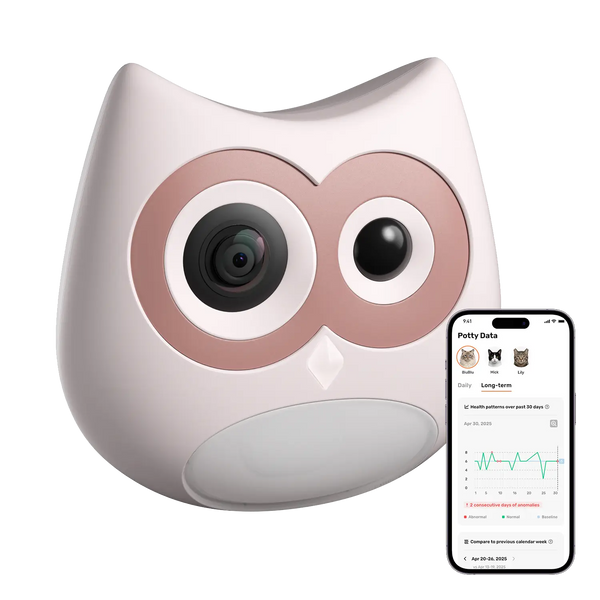
LitterLens automatically records litter box visits with timestamps, photos, and videos. It can identify different cats and give invited family members access to the same records. This shared history gives caregivers the same reference without requiring them to manually document every litter box visit.

Which Cat Health Details Should Every Caregiver Record?
A useful shared record includes the cat’s litter box routine and any noticeable changes in daily care. LitterLens can automatically capture many litter box details, while caregivers can add observations from other parts of the cat’s day.
| Record Type | Useful Details | Main Source |
|---|---|---|
| Litter box visits | Entry time, duration, and repeated visits | LitterLens |
| Cat identity | Which cat used the box | LitterLens, with caregiver review when needed |
| Stool appearance | Photos and possible changes in shape or color | LitterLens and direct observation |
| Food and water | Noticeable appetite or drinking changes | Caregiver |
| Medication | Name, dose, and time when applicable | Caregiver |
| Behavior | Changes in play, hiding, grooming, or vocalization | Caregiver |
| Care tasks | Scooping, litter replacement, and bowl cleaning | Caregiver |
Caregivers do not need to record every ordinary activity. Brief notes about meaningful changes can add context to the litter box history and provide a broader view of the cat’s condition.
How Can Families Use the Same Definition of Normal Behavior?
A cat’s usual routine provides the most useful reference for recognizing change. LitterLens builds a history of visit frequency, timing, duration, cat identity, and stool appearance, allowing caregivers to compare new events with earlier patterns.
Families can also pay attention to everyday details such as appetite, water intake, activity, sleep, grooming, and social behavior. These observations provide additional context when something changes.
General online averages should not be treated as strict rules. Age, diet, medication, litter type, and household routines can all affect bathroom habits. What matters most is whether the cat’s current behavior differs noticeably from its usual pattern.
Why Should Litter Box Events Includes?
Timing helps caregivers connect litter box activity with meals, medication, cleaning, stress, and household changes. A pet health monitor with time-stamped events can show patterns that a general daily note may miss.
Timestamps can answer practical questions:
- Did several short visits happen within one hour?
- Did loose stool begin after a food change?
- Was the box cleaned before or after an unusual event?
- Is the cat visiting mainly at night?
- Has the time between visits changed?
LitterLens records visits in a time-stamped event timeline and can include related photos and videos. The cat monitor history helps caregivers compare several events in sequence. In the SiiPet app, you can invite up to five family members to view shared photos and videos. This gives caregivers a common visual reference when one person receives an alert and another handles the cleaning.
How Do Photos and Videos Help After the Litter Box Is Cleaned?
Once someone cleans the litter box, other caregivers may no longer be able to see what happened during an earlier visit. LitterLens captures related photos and videos when the event occurs, giving the household a visual record that can still be reviewed afterward.
This reduces the need for one caregiver to describe the event from memory. If something unusual appears, family members can look at the same record and decide whether the cat needs closer observation. A brief cleaning note may provide useful timing context, but a separate record is not necessary after every routine cleaning.
How Can Families Identify the Correct Cat in Multi-Cat Homes?
Individual records matter because a shared litter box does not identify the user on its own. A pet health monitor with visual recognition can reduce uncertainty, but important events still deserve human review when two cats look similar.
LitterLens uses multi-cat recognition to keep each cat’s litter box activity separate. In homes with several litter boxes, placing one device at each frequently used box can provide more complete coverage. Activity from those devices can then be reviewed in the same account.


Improve identification quality by:
- Creating a separate pet profile for each cat
- Positioning each device with a clear, unobstructed view of the litter area
- Keeping the lens clean
- Reviewing uncertain clips manually
- Checking significant alerts carefully when cats have similar markings
A cat litter box activity monitor can reduce guesswork across several cats. The cat monitor record should still be checked before anyone makes a health decision.
What Should Families Do After an Unusual Event?
An unusual event does not always mean the cat is ill. Caregivers can first review the related photo or video, check recent litter box history, and observe the cat’s current appetite, activity, and behavior.
Contact a veterinarian when a change repeats, continues, or appears with other concerns such as vomiting, diarrhea, reduced appetite, increased drinking, urination outside the box, hiding, or reduced activity.
Repeated attempts to urinate with little or no urine require immediate veterinary care, especially in male cats. Painful vocalizing, collapse, severe lethargy, black tar-like stool, or a large amount of visible blood also require prompt professional assessment. A pet health monitor can document what happened, but it cannot diagnose the cause.
How Can Families Review Patterns Without Relying on Memory?
LitterLens keeps litter box visits in a time-stamped history, so caregivers do not have to remember every event themselves. When an alert appears, invited family members can review the same visit details and available abnormal-event records, including related photos and videos.
Looking back at recent records can show whether a longer visit, repeated entry, or stool change happened once or continued over time. Caregivers may also add brief context about food, medication, travel, visitors, or household changes. This additional information can help everyone understand the cat’s overall condition, but it does not affect the accuracy of the monitor’s records.
What Information Should Be Prepared for a Veterinary Appointment?
LitterLens records can give the veterinary team a clearer view of when a change began and whether it continued. Instead of relying only on a caregiver’s description, families can provide time-stamped visit data, photos, and short videos.
Prepare the most relevant information:
- The earliest unusual event
- A clear example of behavior or stool change
- The most recent related event
- Changes in visit frequency or duration
- Appetite, drinking, activity, or behavior changes
- Current food and medication
- Recent household, diet, or litter changes
Keep the summary concise and bring additional records in case the veterinary team asks to review them. These materials can support the consultation, but they do not replace a veterinary examination or diagnosis.
FAQs
Q1. Can Temporary Caregivers Be Given Access?
Yes. LitterLens access can be shared with an invited caregiver so they can view relevant photos and videos during the care period. Give them your contact details and explain which changes should be reported. You can remove their device access when the arrangement ends.
Q2. How Long Should Abnormal Events Be Saved?
Keep them until the issue is resolved and follow-up care is complete. Save representative cat monitor photos, videos, dates, and notes outside the app if the event may matter during a future veterinary visit.
Q3. Should Families Export Records Before Changing Accounts?
Yes. Save important photos, clips, dates, and written summaries before changing accounts, phones, or subscriptions. Storage limits and transfer options can vary, so exported copies protect records that may still be medically relevant.
Q4. Should Every Video Be Sent to the Veterinary Team?
No. Choose short clips that clearly show the concern and include the date, time, and frequency. Ask the clinic how it prefers to receive files, since upload limits and review procedures vary.


