


A pet sitter may say that the litter box looked normal, but that description gives the owner little to review. It does not show which cat used the box, how often visits occurred, or when a change first appeared.
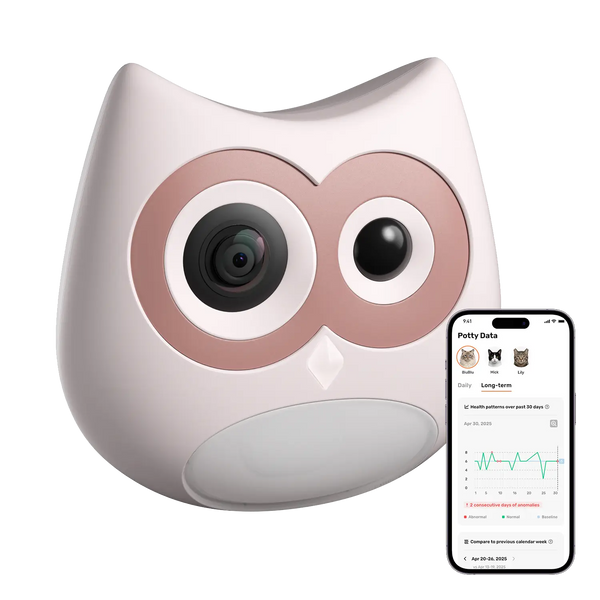
A litter box camera creates a clearer handoff by automatically recording visit times, durations, cat identities, photos, and videos. The owner and sitter can review the same event history instead of relying on separate messages. The sitter only needs to add important details the camera cannot confirm, such as appetite, energy, medication, urine clumps, or unusual findings during cleaning.
What Should the Owner Record Before Leaving?
Before leaving, the owner should provide a short reference for each cat. Include the cat’s name, appearance, usual food, medication instructions, normal litter box habits, and any recent change that the sitter may need to watch.
If the home has several litter boxes, give each one a clear name, such as Hallway Box or Upstairs Box. Explain where cleaning supplies are kept and whether any cat strongly prefers one box.
Only include recent health details when they are relevant. For example, mention a recent food change, soft stool, urinary concern, or new medication. The sitter does not need a detailed medical history for an otherwise routine stay.
Keep emergency information easy to find:
- Regular veterinary clinic and emergency clinic
- Owner and backup contact details
- Instructions for handling urgent veterinary care
Place litter, bags, cleaning supplies, and carriers where the sitter can reach them easily.
How Should the Cat’s Normal Litter Box Routine Be Explained?
A short description of the cat’s usual routine helps the sitter recognize meaningful changes. Include what the owner already knows, such as the cat’s preferred box, typical visit pattern, usual stool appearance, and any normal habits that could otherwise look unusual.
The owner does not need to calculate exact averages before leaving. LitterLens can provide a recent history of each cat’s visit frequency, timing, and duration. This gives the sitter a practical baseline without creating a separate record from scratch.
There is no single healthy visit count for every cat. Diet, water intake, age, medication, stress, and health conditions can all affect litter box use. Changes should therefore be compared with that cat’s usual pattern.
A brief note might read:
Milo usually uses the hallway box and has one formed bowel movement most evenings. He sometimes enters the box to dig without eliminating.
This is more useful than simply asking the sitter to watch for anything unusual.

What Should the Pet Sitter Record Each Day?
The sitter does not need to manually record every ordinary litter box visit. LitterLens automatically provides timestamps, visit history, cat identification, photos, and videos. The sitter can focus on information that requires direct observation.
| What to Note | When It Is Useful |
|---|---|
| Urine or stool findings | Output is unclear, absent, or noticeably different during cleaning |
| Appetite and behavior | The cat eats less, hides, vomits, or has lower energy |
| Medication | A scheduled dose is given, missed, or refused |
| Cleaning | An unusual finding appears or a full litter change may affect later comparison |
| Action taken | The owner is contacted or the emergency plan is followed |
Keep each note short and factual. “Four short visits with no confirmed urine” is useful. “The cat has a urinary infection” is a diagnosis the sitter cannot confirm.
This approach adds relevant context without asking the sitter to duplicate the device’s event history.
How Should Camera Events and Sitter Observations Work Together?
Camera events and direct observations provide different information. LitterLens records when a cat enters the box, how long the visit lasts, which cat is recognized, and the related photos or videos. The sitter can confirm what remains in the litter during cleaning and note any important changes.
A recorded visit does not always confirm urination or a bowel movement. The cat may enter, dig, turn around, or leave without eliminating. Likewise, a clean box does not prove that no output occurred if another person has already scooped it.
The sitter only needs to note cleaning times when they help explain an unusual event. Routine visits and ordinary cleaning do not require separate manual records.
Which Changes Should Prompt the Pet Sitter to Contact the Owner?
The sitter should receive clear contact rules before the trip. LitterLens alerts and event history can draw attention to unusual litter box activity. The sitter can then check the related photo or video, observe the cat directly, and contact the owner when the change repeats or appears with other concerning signs.
The sitter should contact the owner promptly after noticing a clear change in visit frequency, urine clump size, stool consistency, or box preference. New elimination outside the litter box should also be reported. A longer-than-usual visit becomes more concerning when it occurs with repeated entry, genital licking, appetite loss, vomiting, hiding, or reduced energy.
Some signs require immediate action under the agreed emergency plan:
- Repeated straining with little or no urine
- Frequent unsuccessful trips to the litter box
- Crying or obvious pain during urination
- Weakness, collapse, or vomiting with urinary difficulty
- Visible blood with difficulty urinating
A urethral blockage can become life-threatening and is especially concerning in male cats. The sitter should not wait for several additional visits to see if the problem resolves.
Repeated attempts to defecate, small hard stools, vomiting, or appetite loss can also indicate significant constipation. LitterLens may document the pattern, but a veterinary examination is needed to determine the cause.
How Should Records Be Organized in a Multi-Cat Home?
LitterLens uses visual identification to organize litter box visits by recognized cat. This reduces the need for the sitter to manually assign every ordinary event in a multi-cat household.
When several litter boxes are monitored, activity from multiple devices can be reviewed in the SiiPet app. Give each box or device a recognizable name so the owner and sitter know which location produced the event.
Identification may be less certain when cats have similar markings, enter together, or block the camera view. In these cases, the sitter or owner can review the clip and leave the identity unconfirmed. Significant changes should always be checked before they are assigned to a particular cat.

Which Photos or Videos Are Worth Saving?
LitterLens automatically records photos and videos related to litter box activity, so the sitter does not need to save or label every ordinary event. Focus on footage that shows a repeated change, explains an alert, or may help during a veterinary discussion.
Useful records may include:
- Repeated or unsuccessful litter box visits
- Straining or a much longer visit than usual
- Diarrhea, unusually dry stool, or visible blood
- Events where the cat’s identity is uncertain
- A blocked view or camera problem that created a gap in the history
For an ongoing concern, save a few representative records rather than every similar event. The earliest clear event, the best example, and the most recent event usually provide a useful timeline.
Available storage depends on the SiiPet plan. Export important photos or clips before they are no longer accessible.
How Should Owners Review the Records After Returning?
After returning, the owner can review alerts and unusual events from the trip instead of checking every ordinary litter box visit.
Look for a few practical details:
- Whether the change happened once or repeated
- Whether it involved one cat or several cats
- Whether the sitter noticed related appetite or behavior changes
- Whether the pattern continues after the normal household routine resumes
Travel, a different caregiver, and schedule changes can temporarily affect a cat’s routine. A change that continues, worsens, or appears with other signs should be discussed with a veterinarian.
For a veterinary appointment, prepare a short summary with the relevant dates, main concern, related observations, and a few clear photos or clips. LitterLens records can provide useful context, but they do not replace a veterinary examination or diagnosis.
How Can Camera Access Be Shared Without Compromising Privacy?
Camera access should cover only the area needed for pet care. Poor placement may capture people, private spaces, computer screens, or visible entry codes.
Aim the lens at the litter box area and check the full frame before leaving. Bedrooms, bathrooms, work areas, and doors with visible security codes should remain outside the view.
Use the Device Sharing feature in the SiiPet app so the sitter can access the camera through a separate account. Owners can invite up to five people, and the invitation link displays an expiration time. Sharing the main account password is unnecessary and gives the sitter access beyond the intended arrangement.
Review the shared-user list before and after the trip. Remove access when the sitting period ends, keep the app and device software updated, and delete saved footage that no longer serves a care purpose.
Owners should also tell the sitter where cameras are located and what they capture. Clear disclosure protects privacy and prevents confusion during in-home visits.
FAQs
Q1. Should the Owner Test Camera Access Before Leaving?
Yes. Ask the sitter to accept the invitation, open the live view, and find a sample event. This confirms that the account, sharing link, app permissions, and instructions work before the owner becomes unavailable.
Q2. Should the Sitter Move the Litter Box During the Trip?
No, unless the owner approves the change or the location creates a safety problem. Moving the box may affect use and make the trip record harder to compare with the cat’s established routine.
Q3. Which Time Zone Should the Sitter Use?
Use the home’s local time for every note. This keeps sitter records aligned with camera timestamps, meals, medication, and cleaning sessions, even when the owner is traveling in a different time zone.
Q4. What Should Happen if the Camera View Becomes Blocked?
Remove the obstruction and check the live view before changing the camera position. If adjustment is necessary, follow the owner’s placement instructions and confirm that the entrance and litter surface remain visible.
Q5. How Long Are LitterLens Videos Available?
Storage depends on the account plan. Free users can access recent video history for a limited period, while paid plans provide longer storage for visit videos and abnormal-event records. Export important footage if it may be needed after the available storage period ends.


